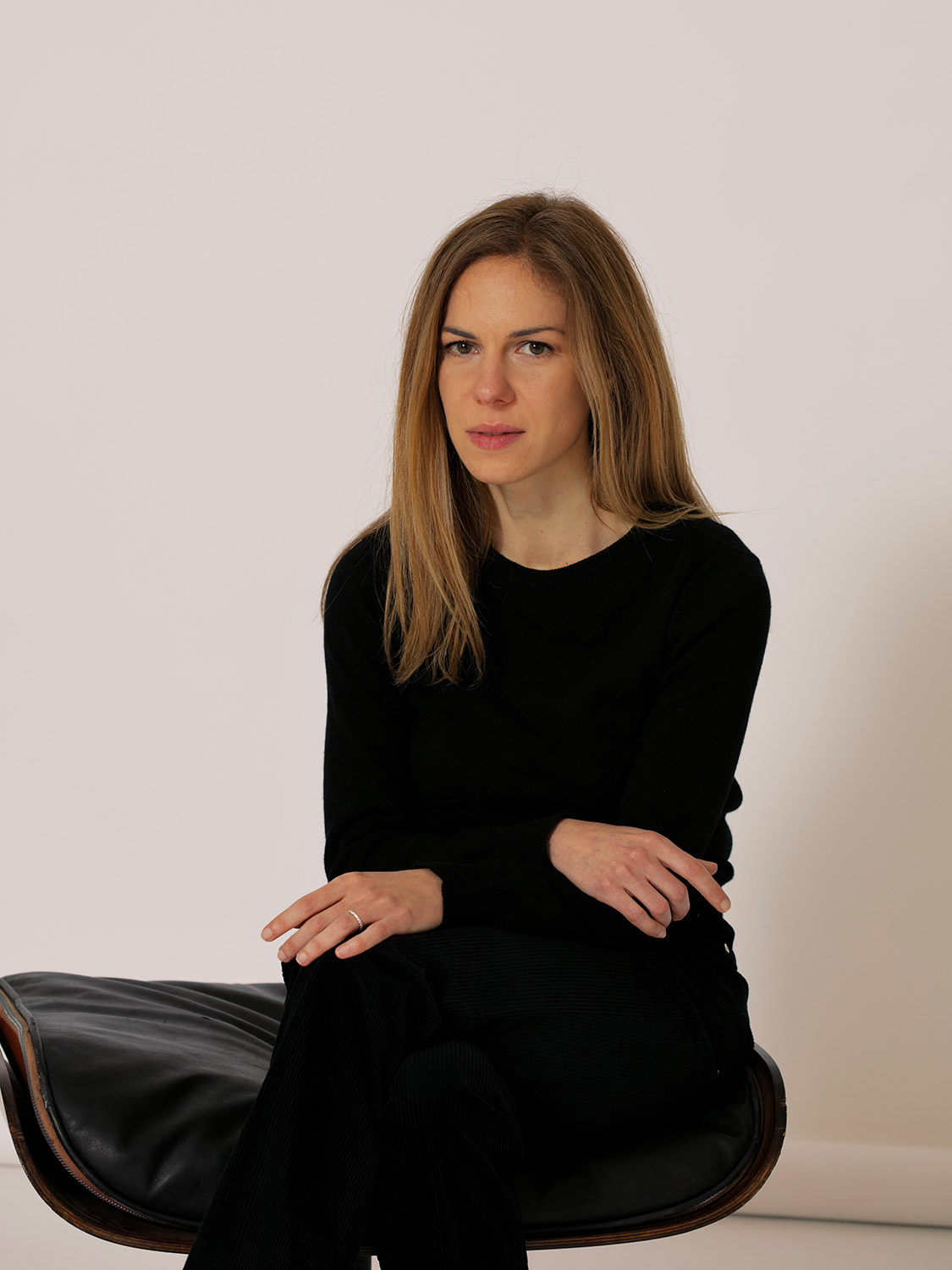
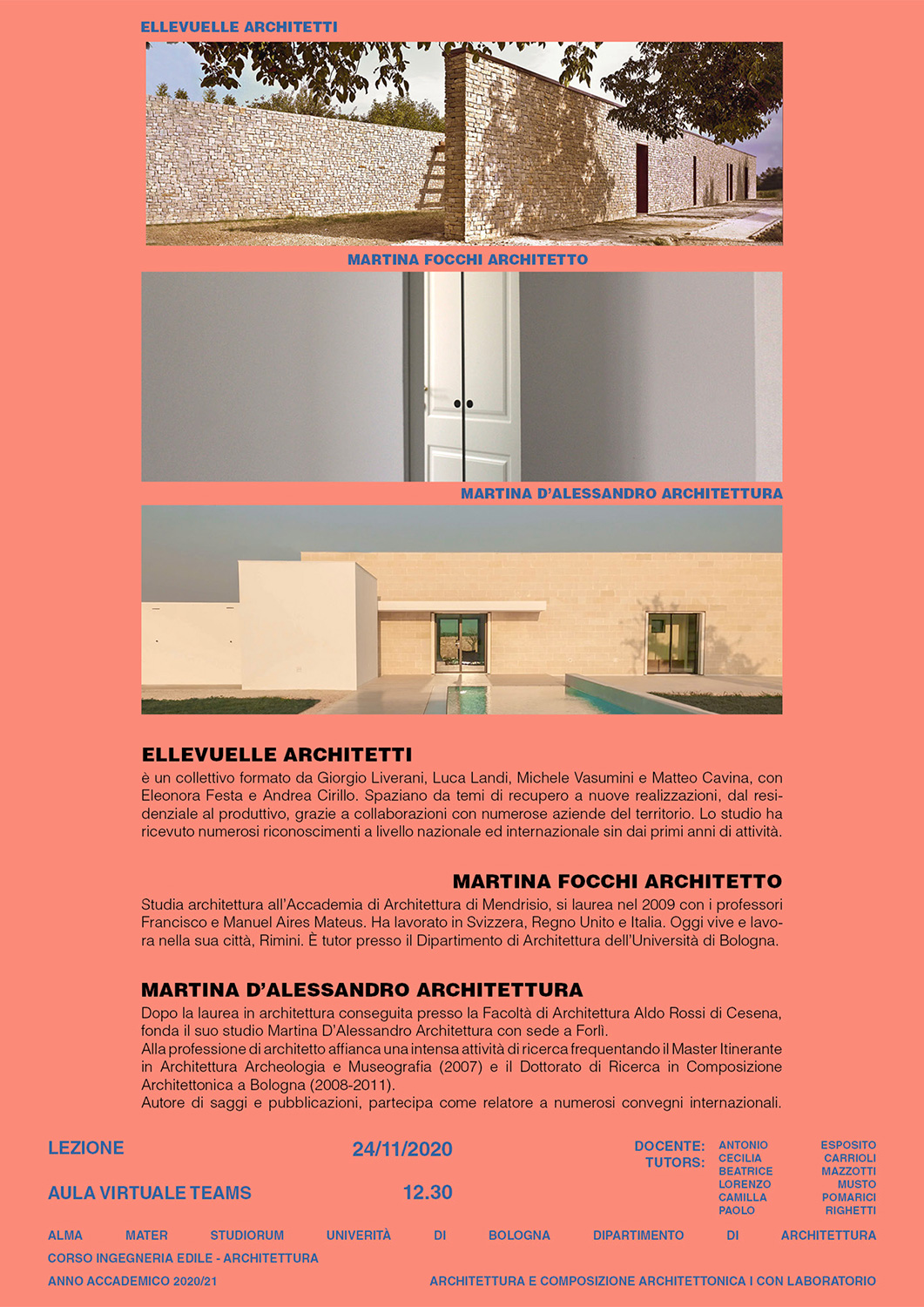
Martina D’Alessandro Architettura is a studio based in Forlì, founded by architect and PhD Martina D’Alessandro. The studio brings together professional work, research, and experimentation, developing projects that range from private residences to restoration and conservation of existing buildings, as well as hospitality and landscape projects. Teaching, architectural competitions, and research are complementary fields that continually inform and enrich the studio’s approach to each project.
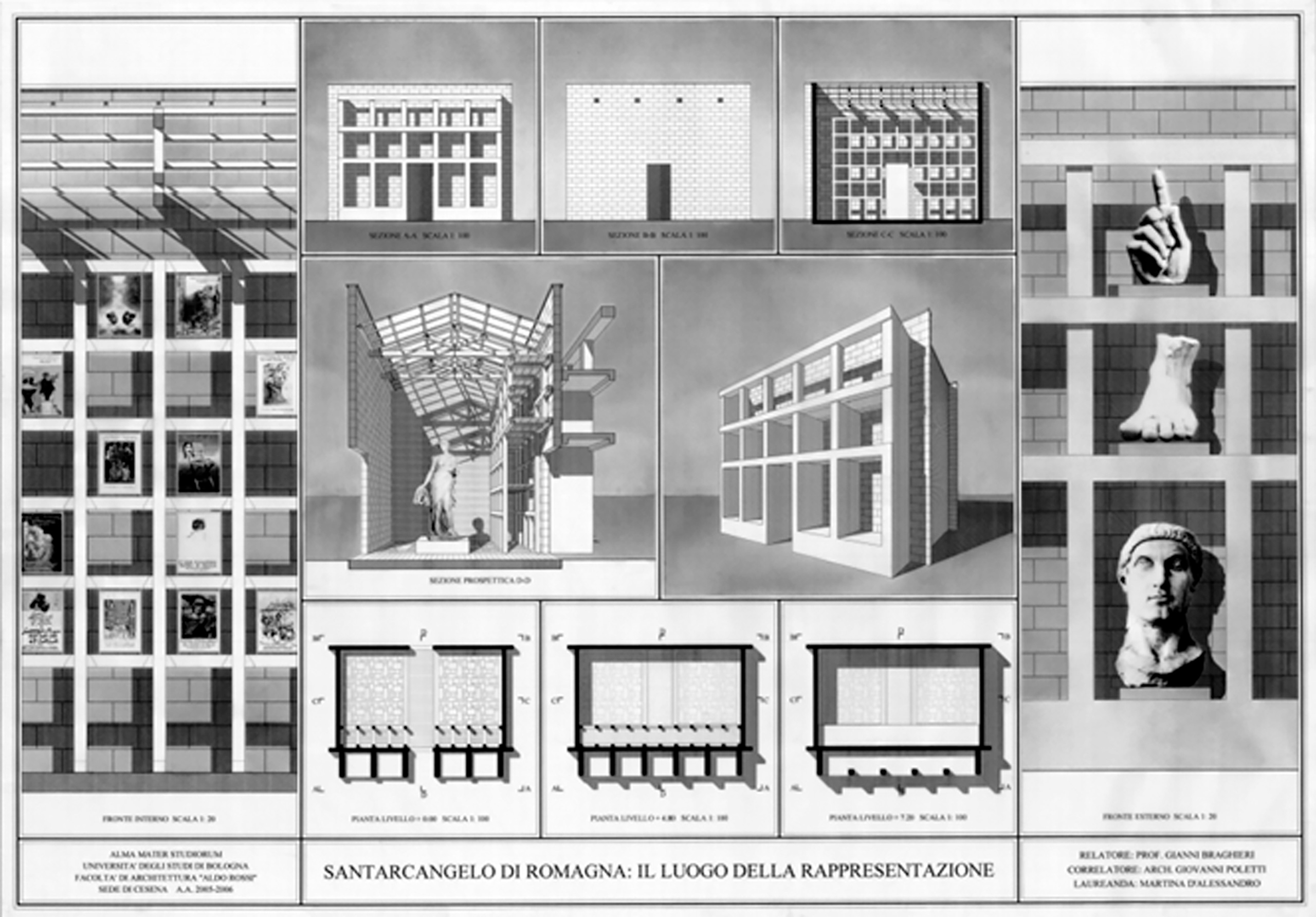
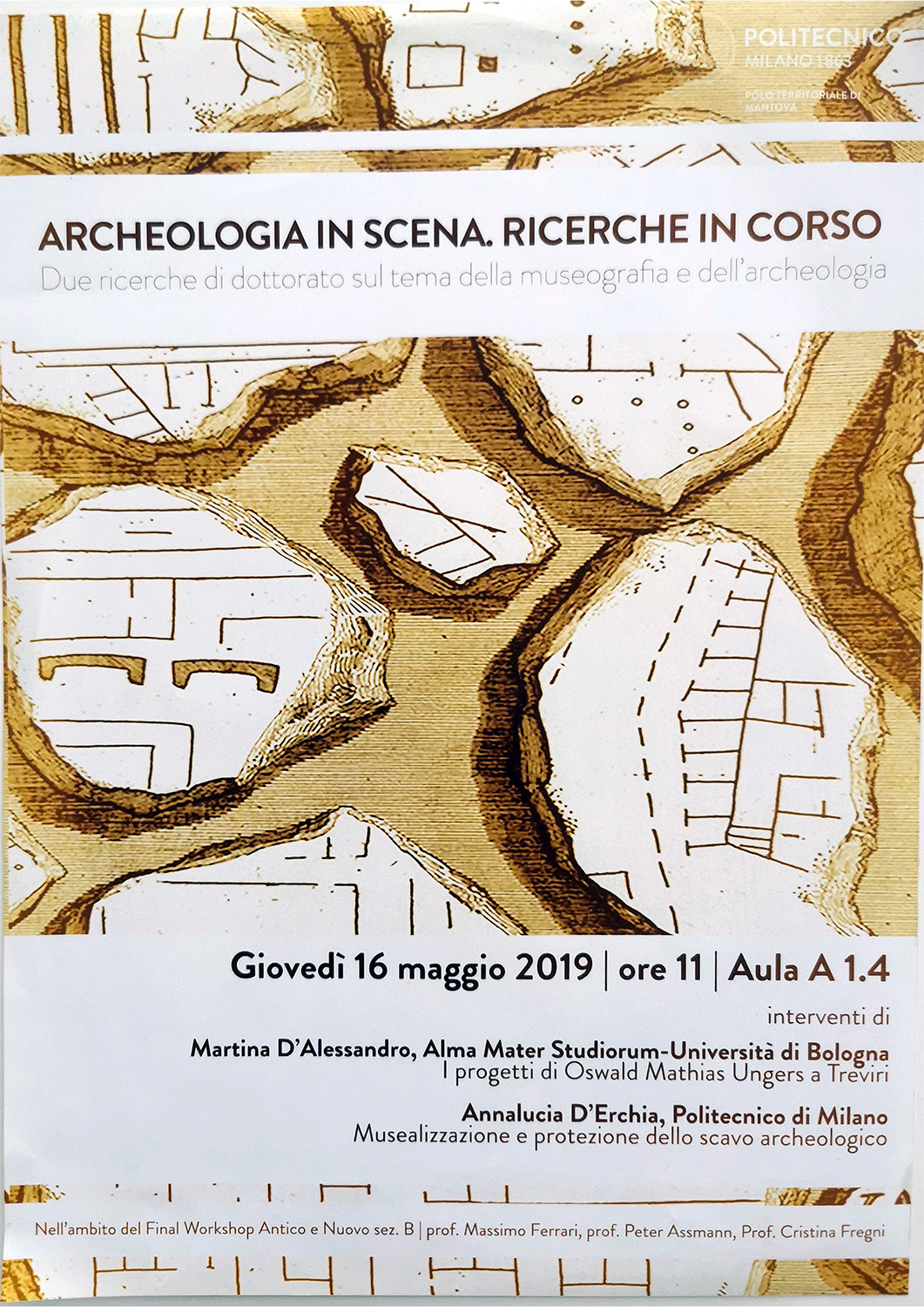
Following a degree in Architecture from the University of Bologna, Martina D’Alessandro furthered her studies through an itinerant Master’s programme in Architecture and Museum Design for Archaeology, strengthening an interest in the relationship between architecture, perception, and the experience of space.
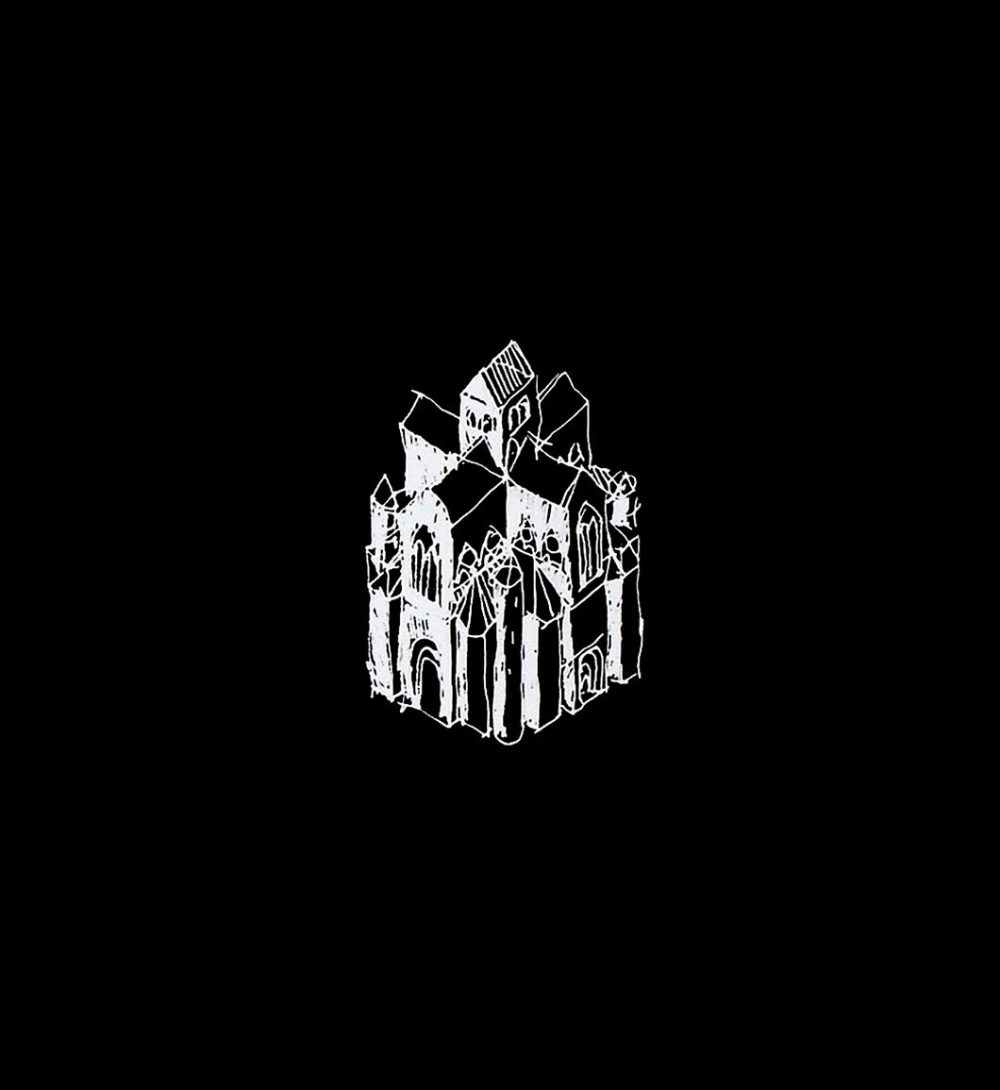
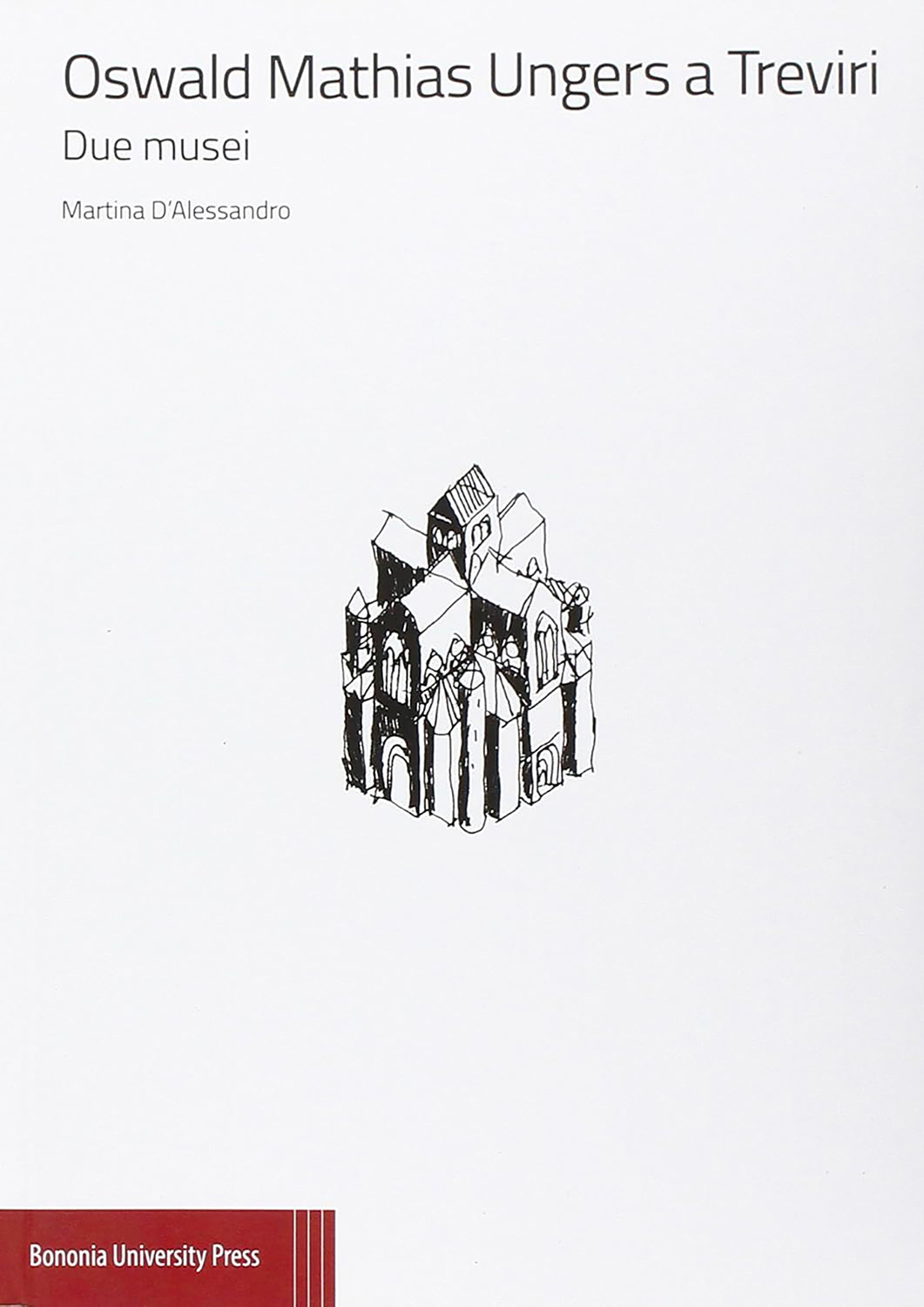
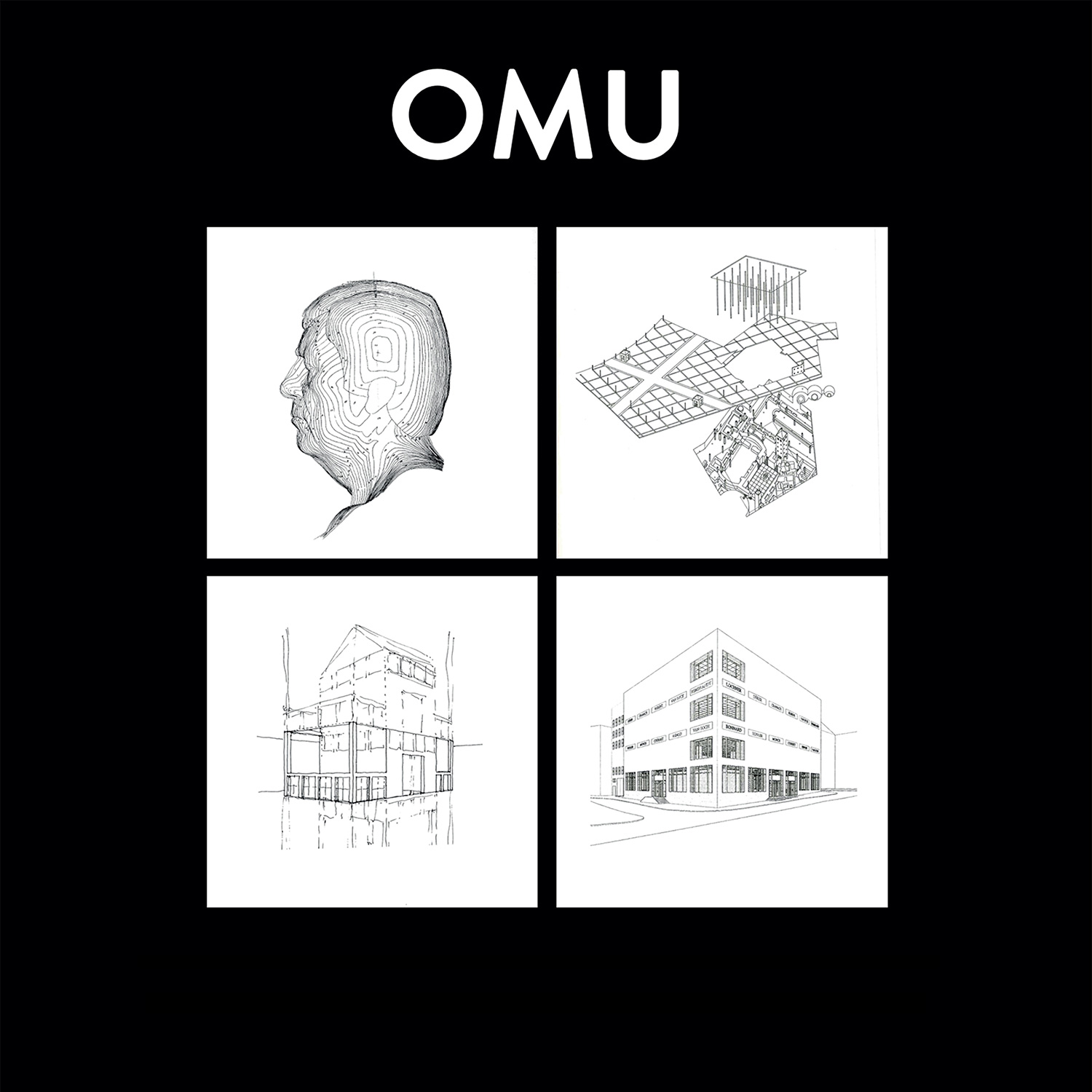
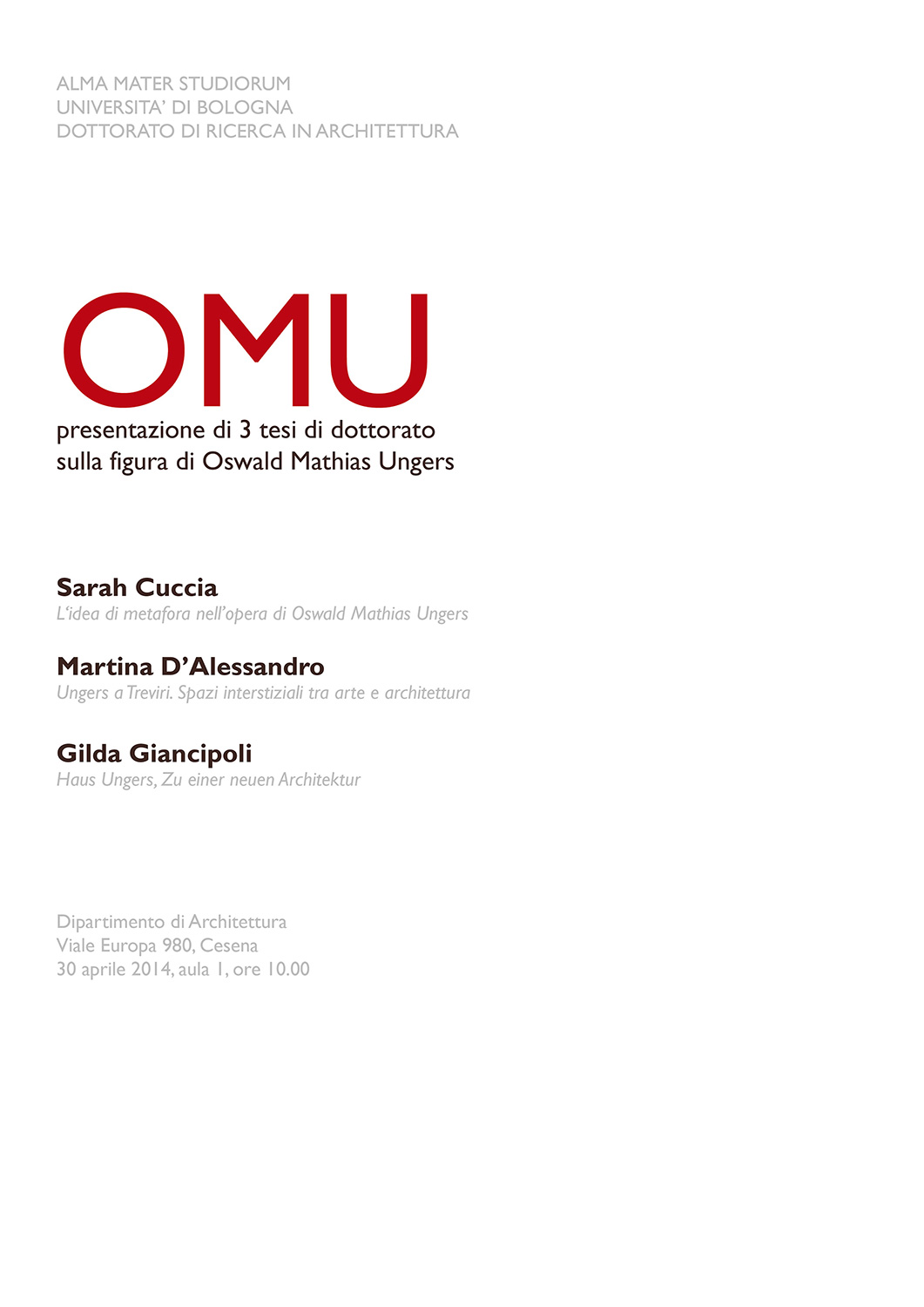
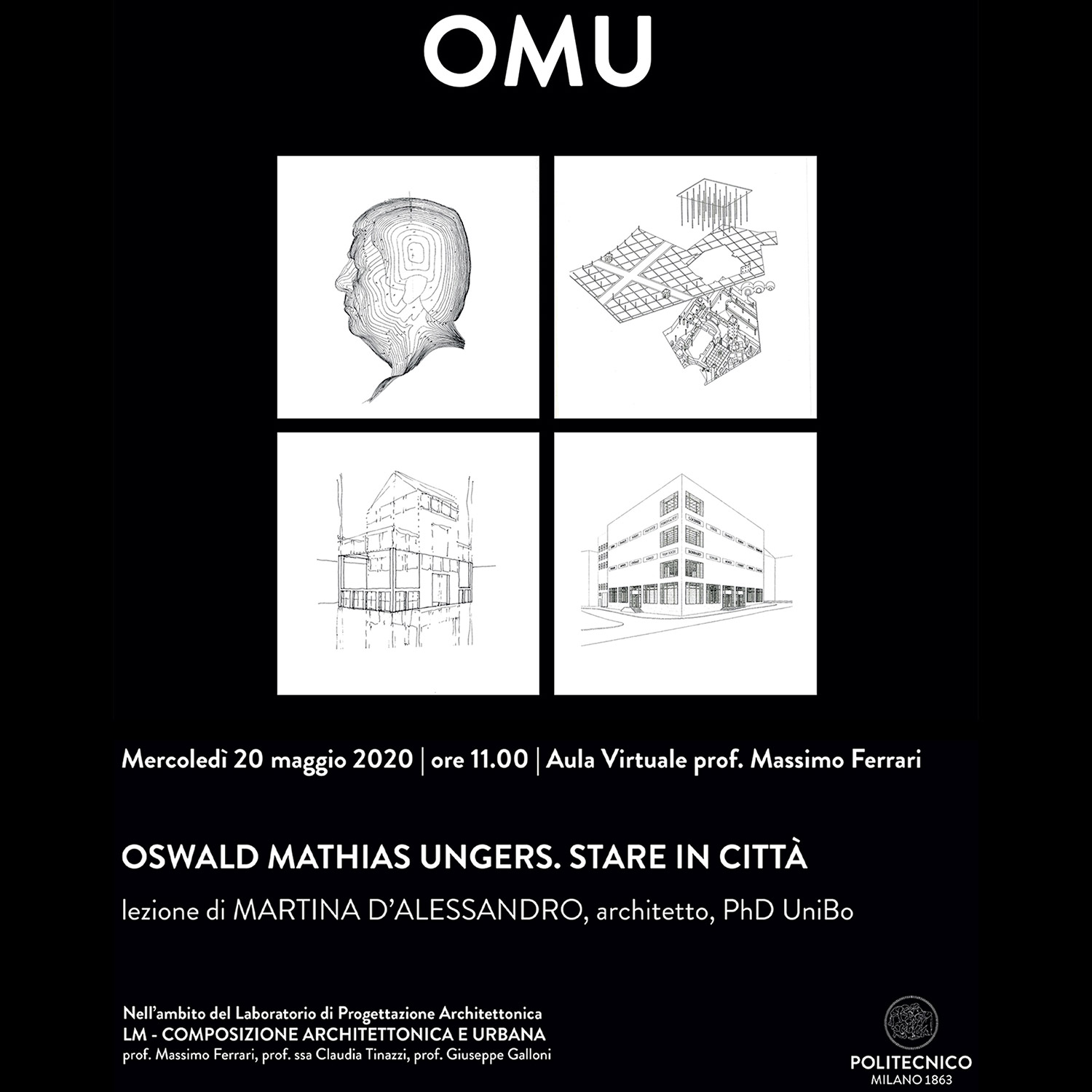
This was followed by a PhD in Architectural Composition at the University of Bologna, with research dedicated to the work of Oswald Mathias Ungers and the relationship between architecture, the city, and history. The research explored, in particular, the role of memory as an active component of the design process, in dialogue with the themes of art and history. Alongside academic training, exchange and collaboration with figures from architectural culture helped shape a rigorous and thoughtful approach to design, grounded in the relationship between theoretical thinking and the built environment.
Within the studio’s work, research and project are complementary aspects of the same activity. The research is structured around three main themes, which also inform the project practice.
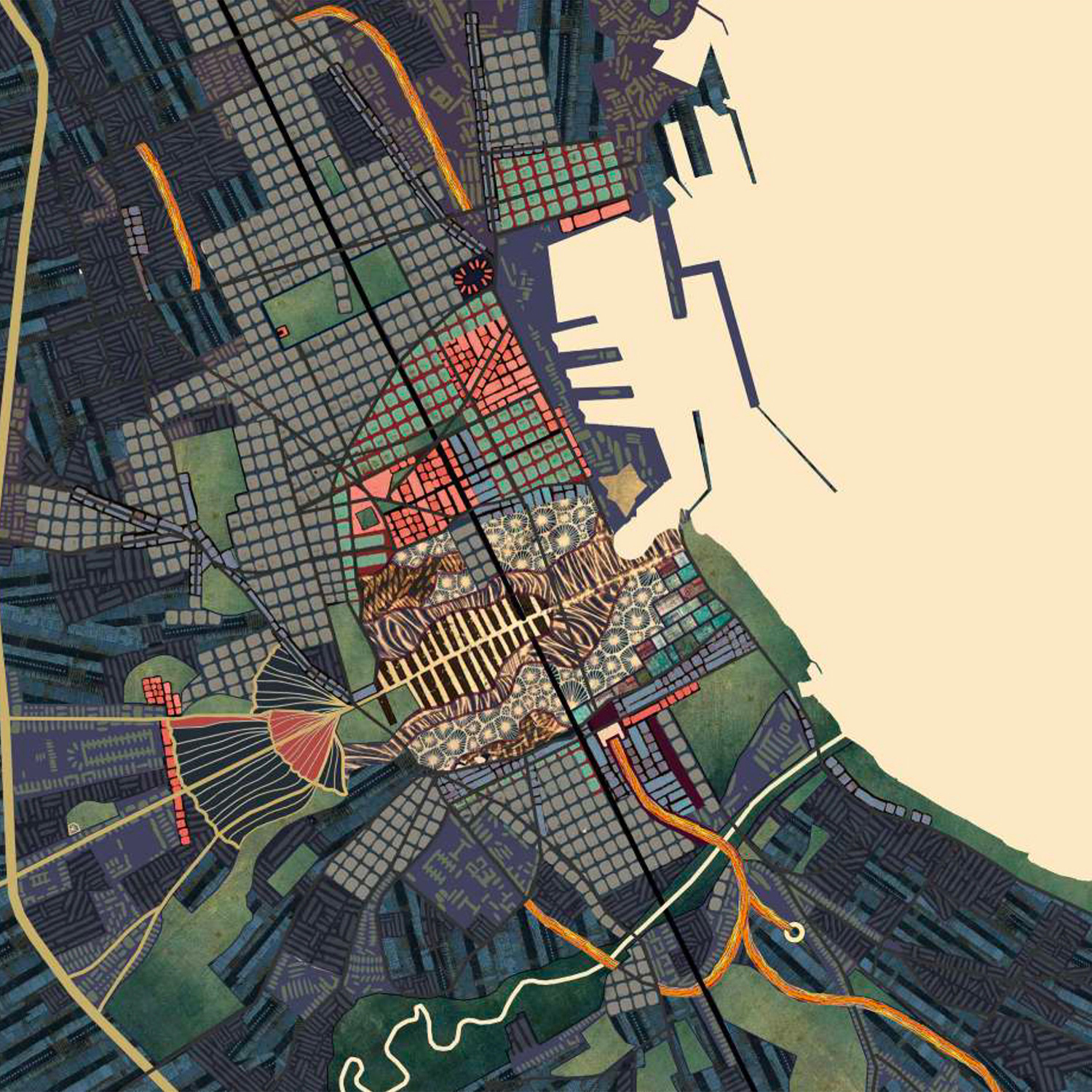
The first explores the relation between architecture, history, and the city, addressing layered contexts in which the existing built environment becomes an active part of the project. The city is interpreted as a palimpsest of traces, enduring elements and transformations that guide decisions on intervention.
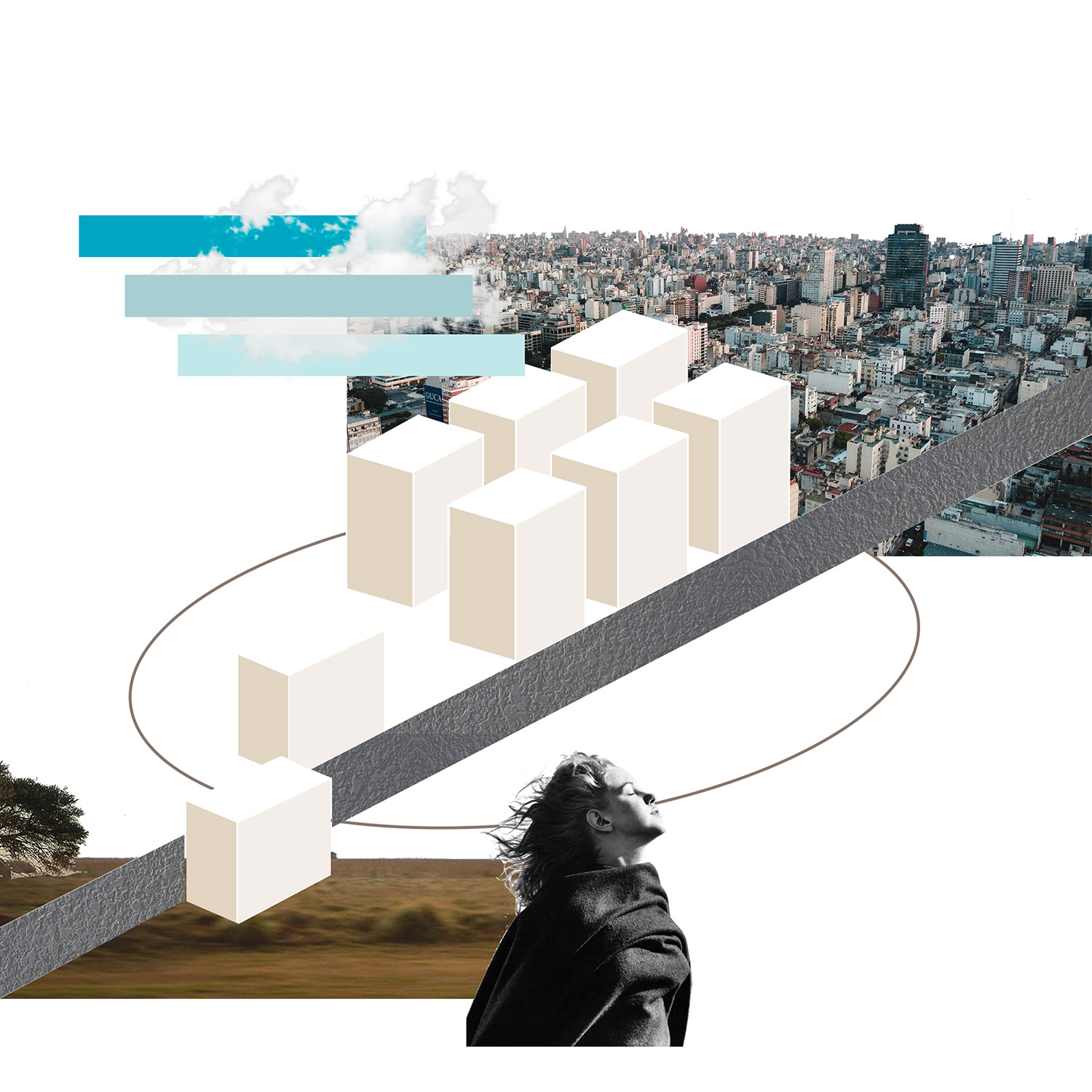
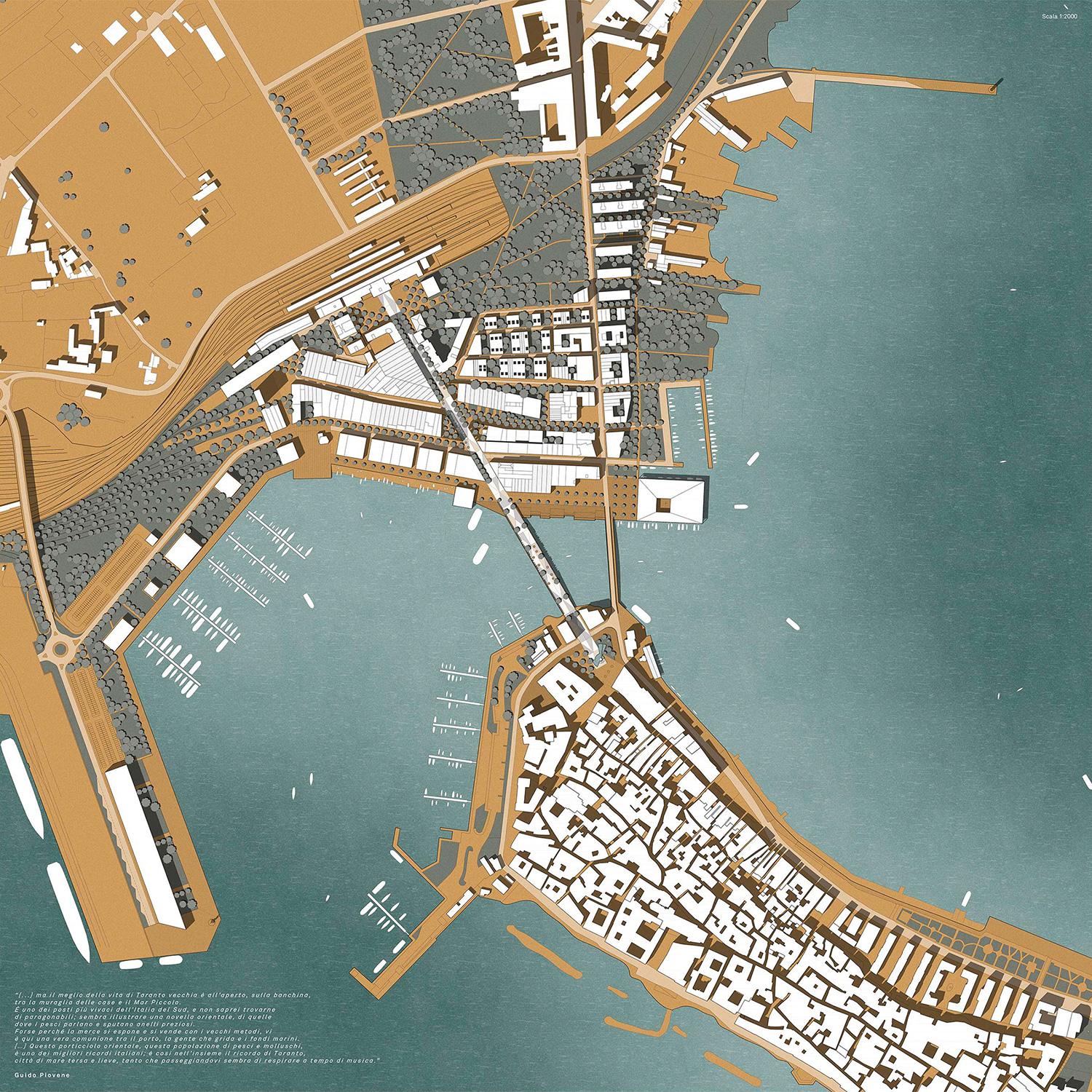
The second theme focuses on urban space and landscape, understood as constantly evolving systems, defined by the relationships between people, uses and environments.
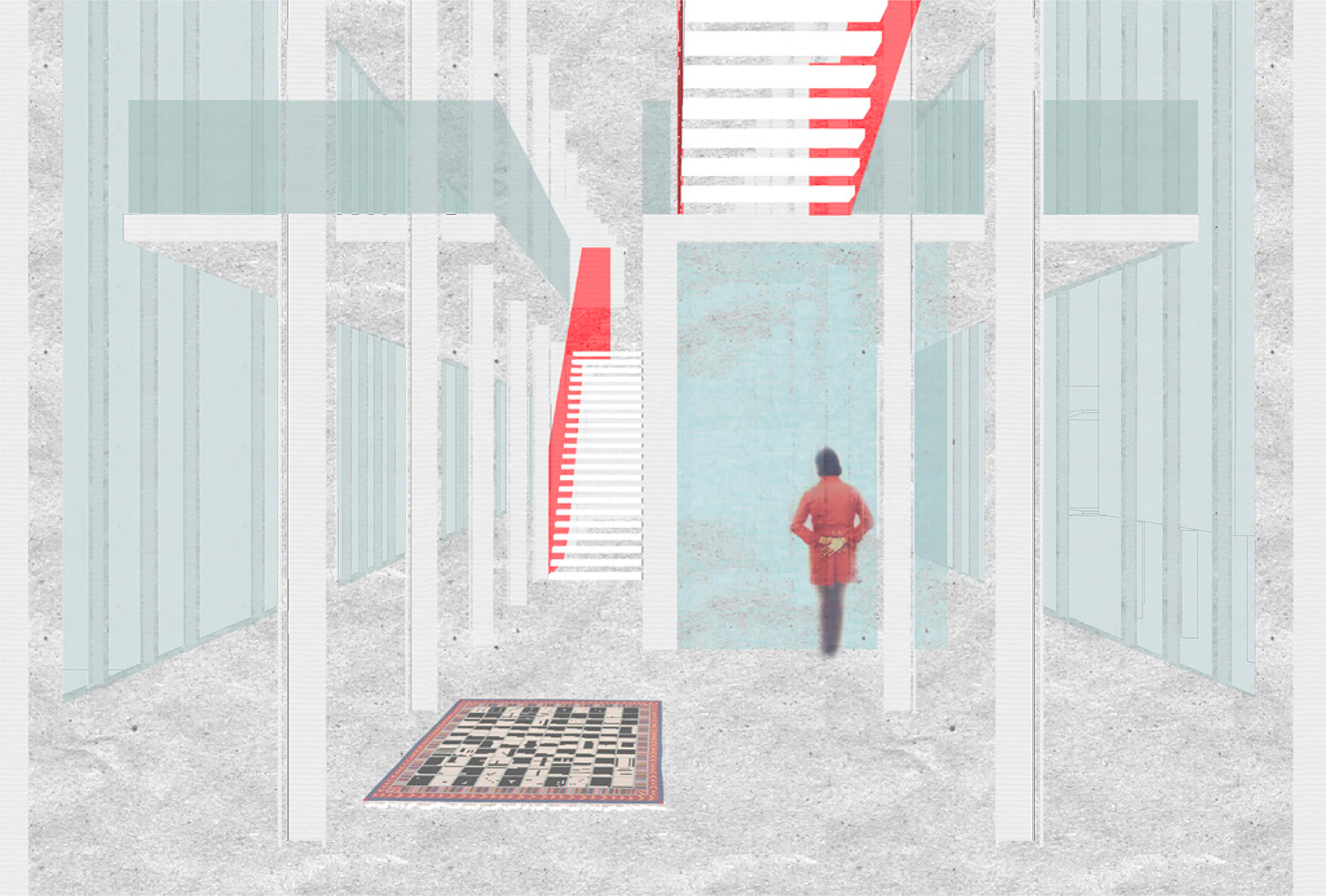
The third theme explores the relation between architecture and other disciplines, in particular art and technology, broadening the perceptual and cultural dimensions of the project and interpreting architecture as the construction of meanings as well as spaces.
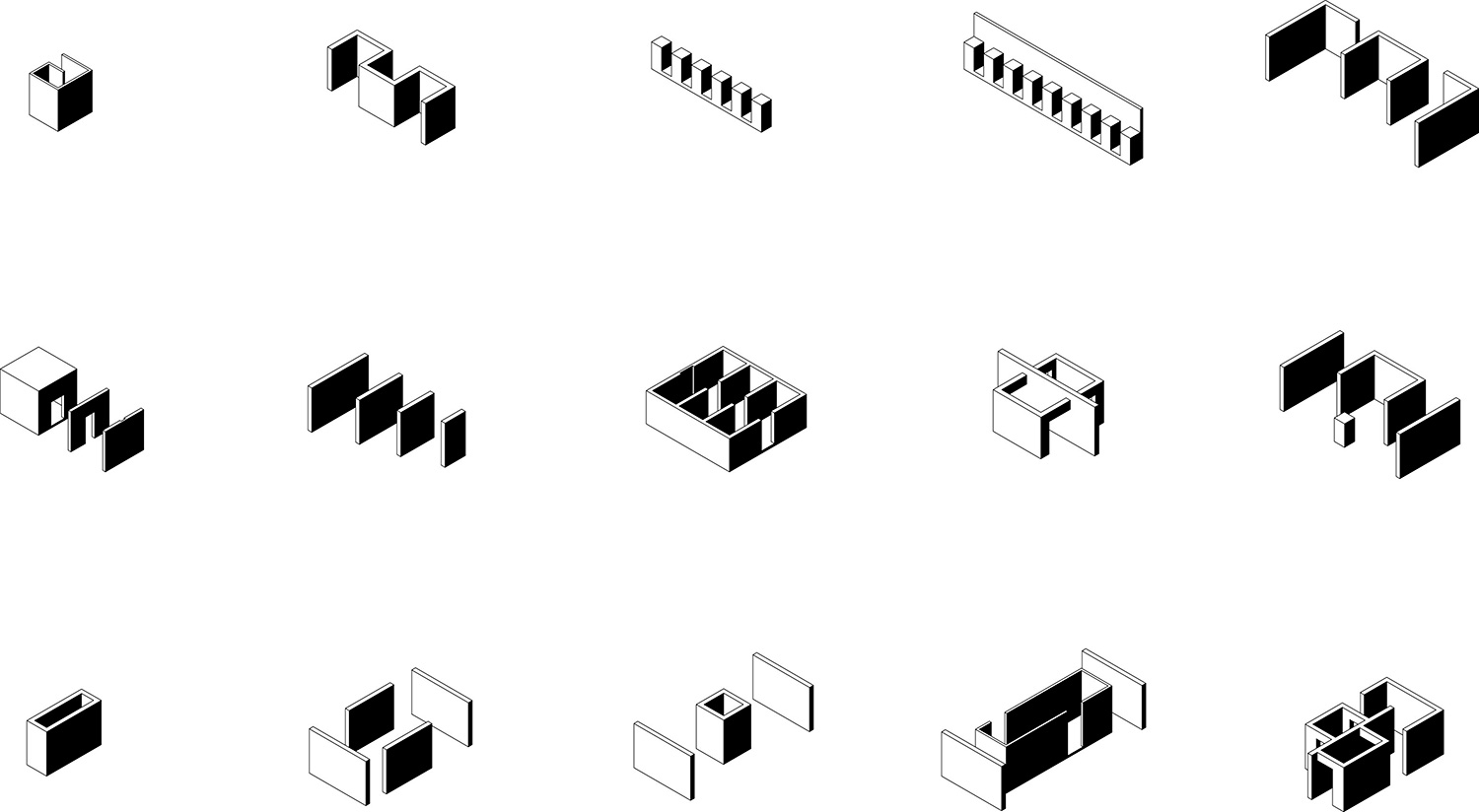
These themes connect research and practice: academic studies become operative tools for design, while projects generate new questions that are further explored through publications, seminars and research activities.
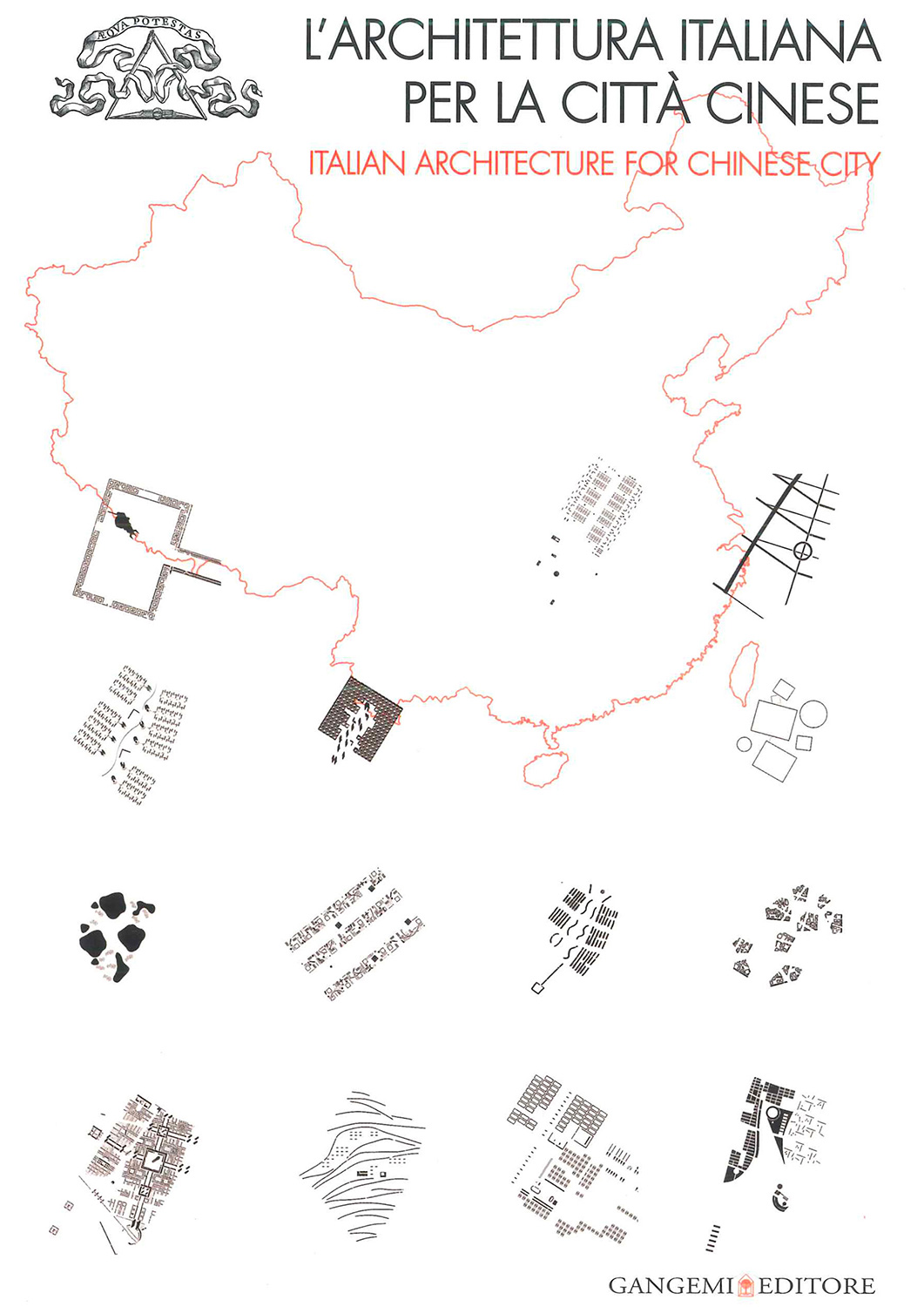
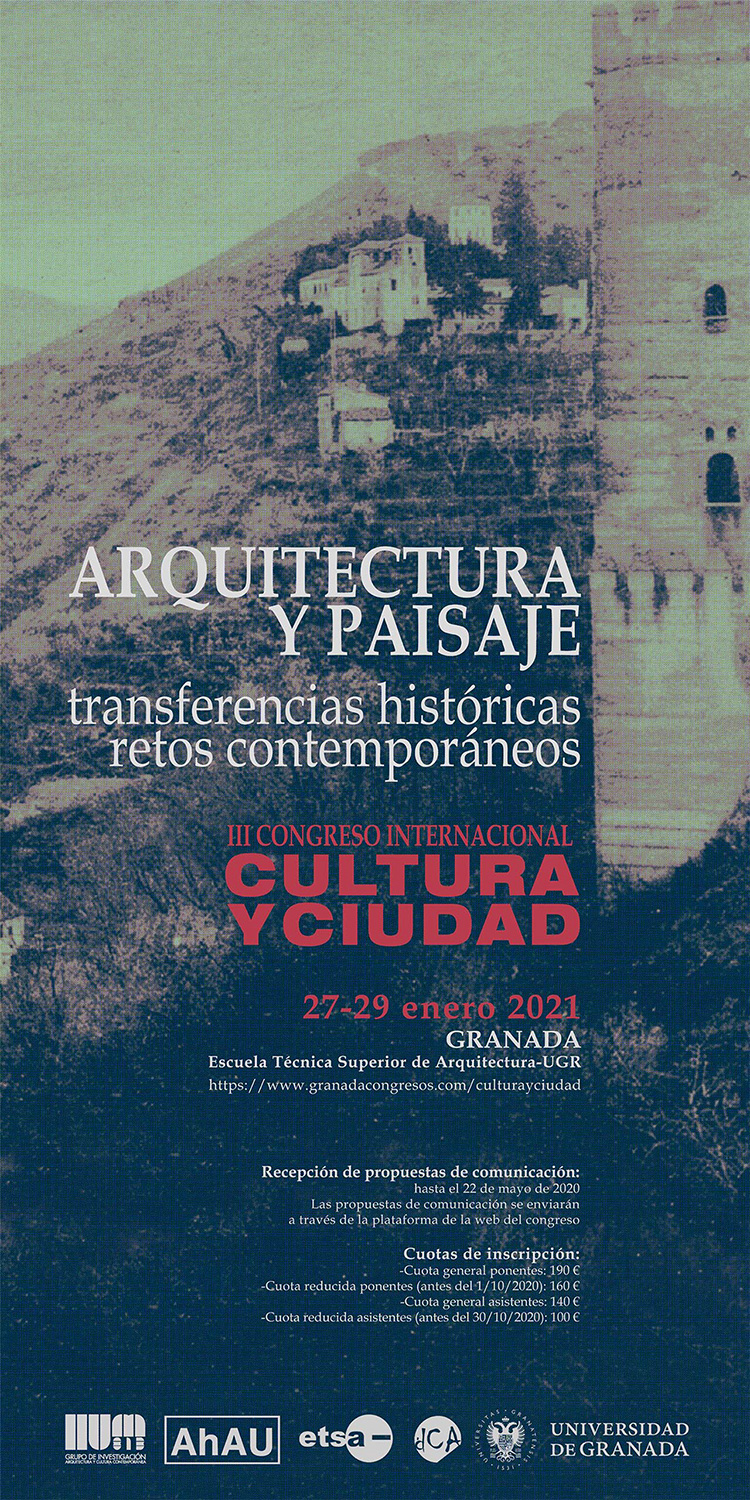
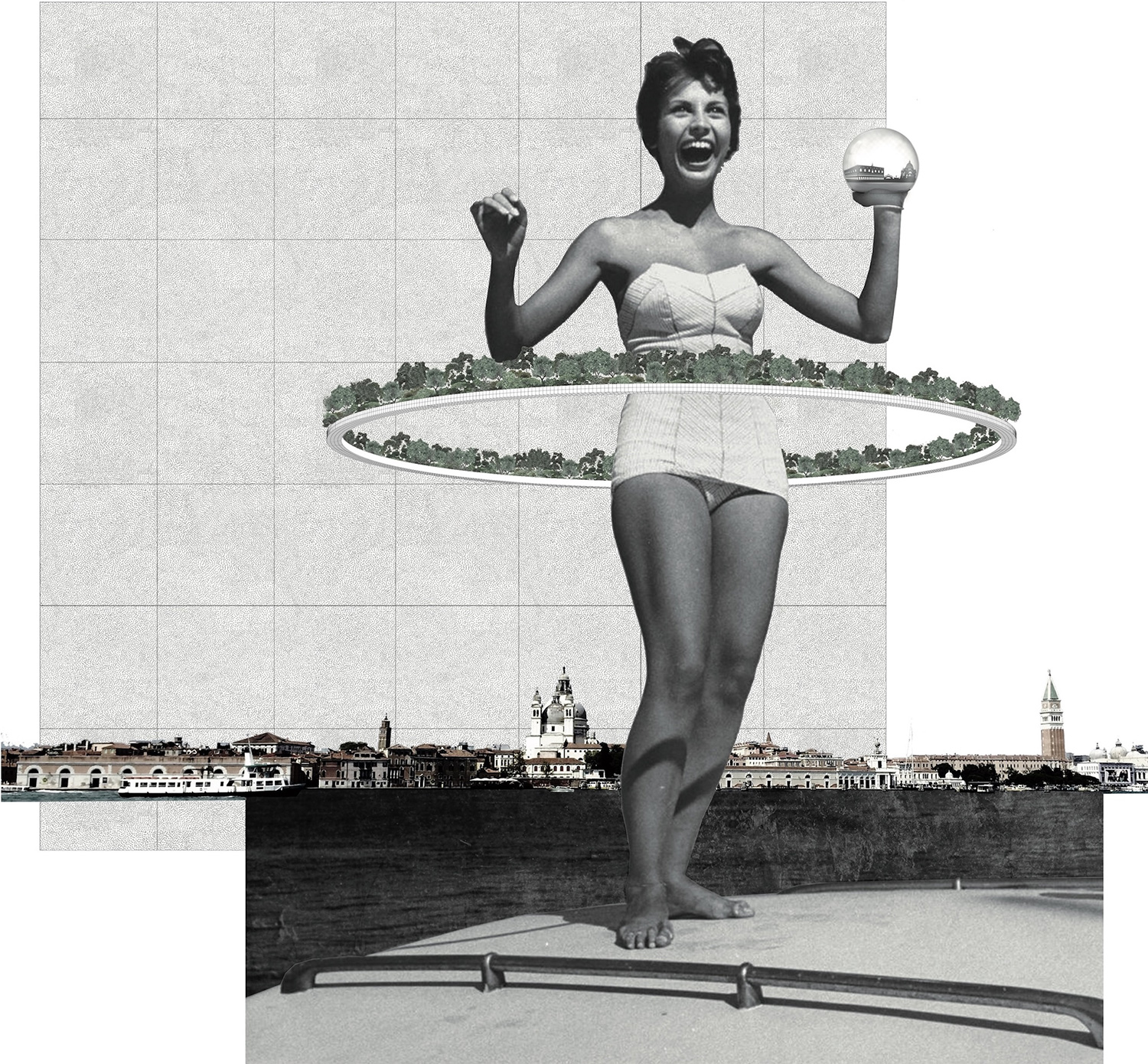
Part of the studio’s work has been published, presented in exhibitions and explored in greater depth through articles, essays and conferences, including international events such as the 2021 Venice Biennale. The project thus becomes an opportunity for critical reflection on the role of architecture in the transformation of the city and the landscape.
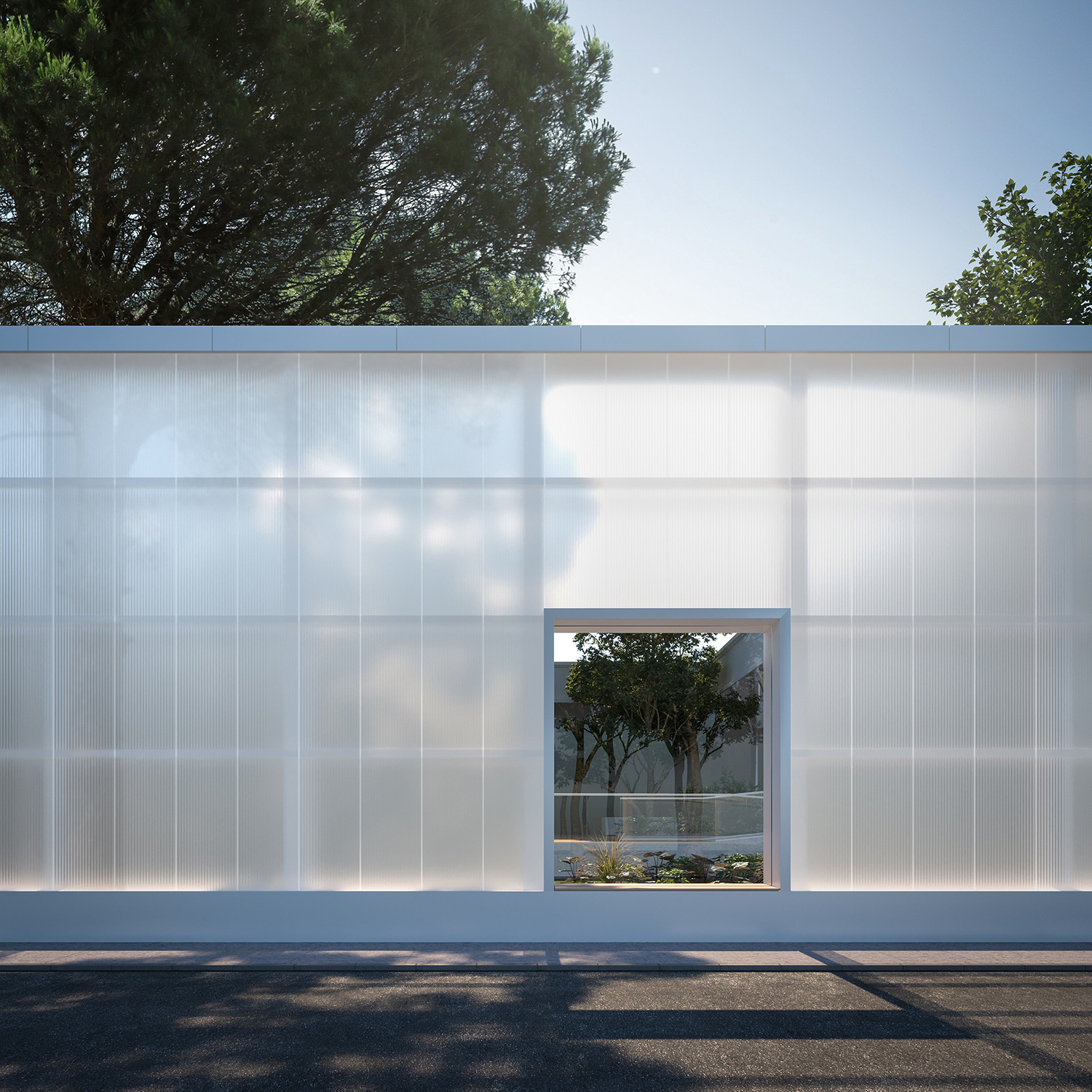
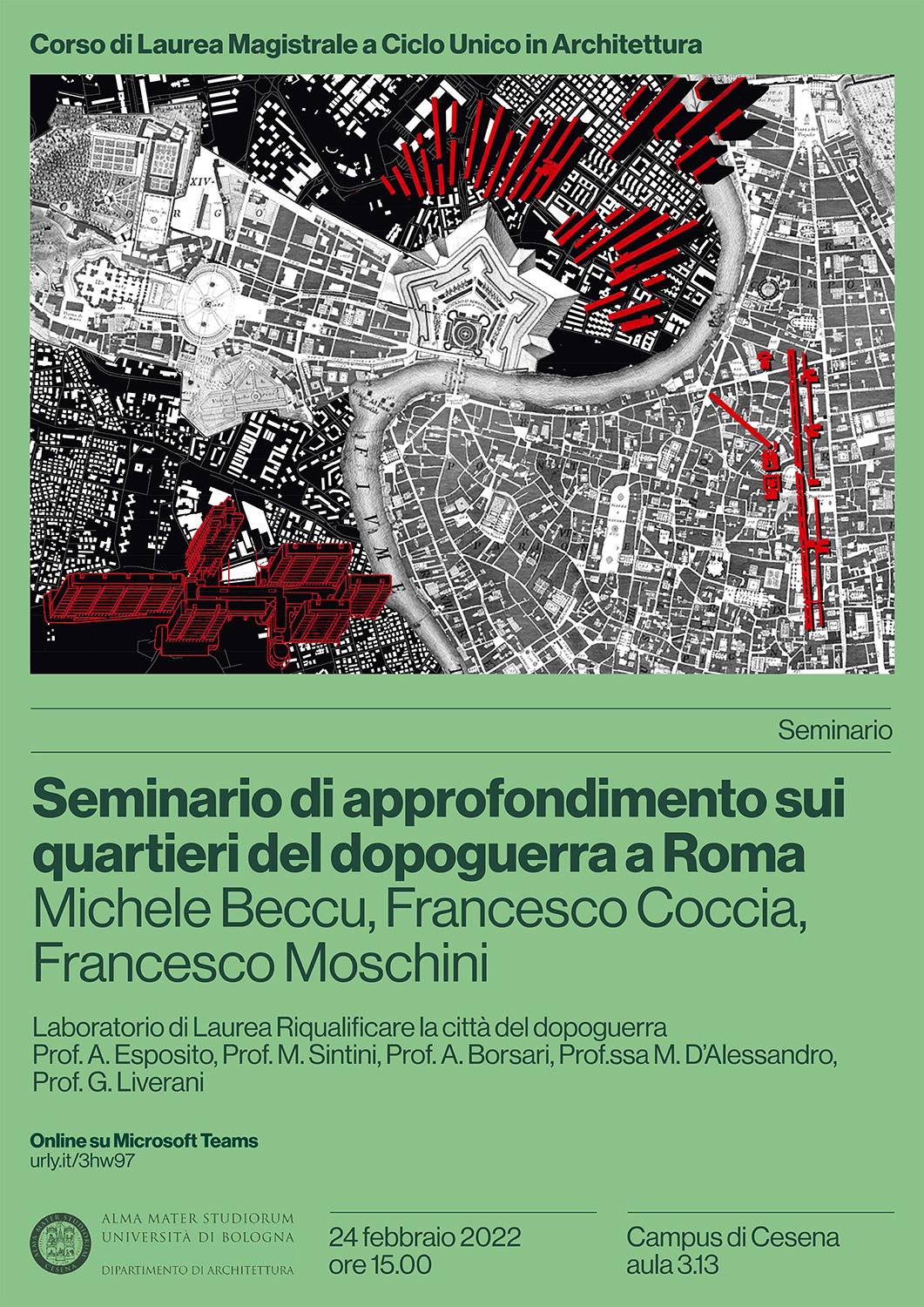
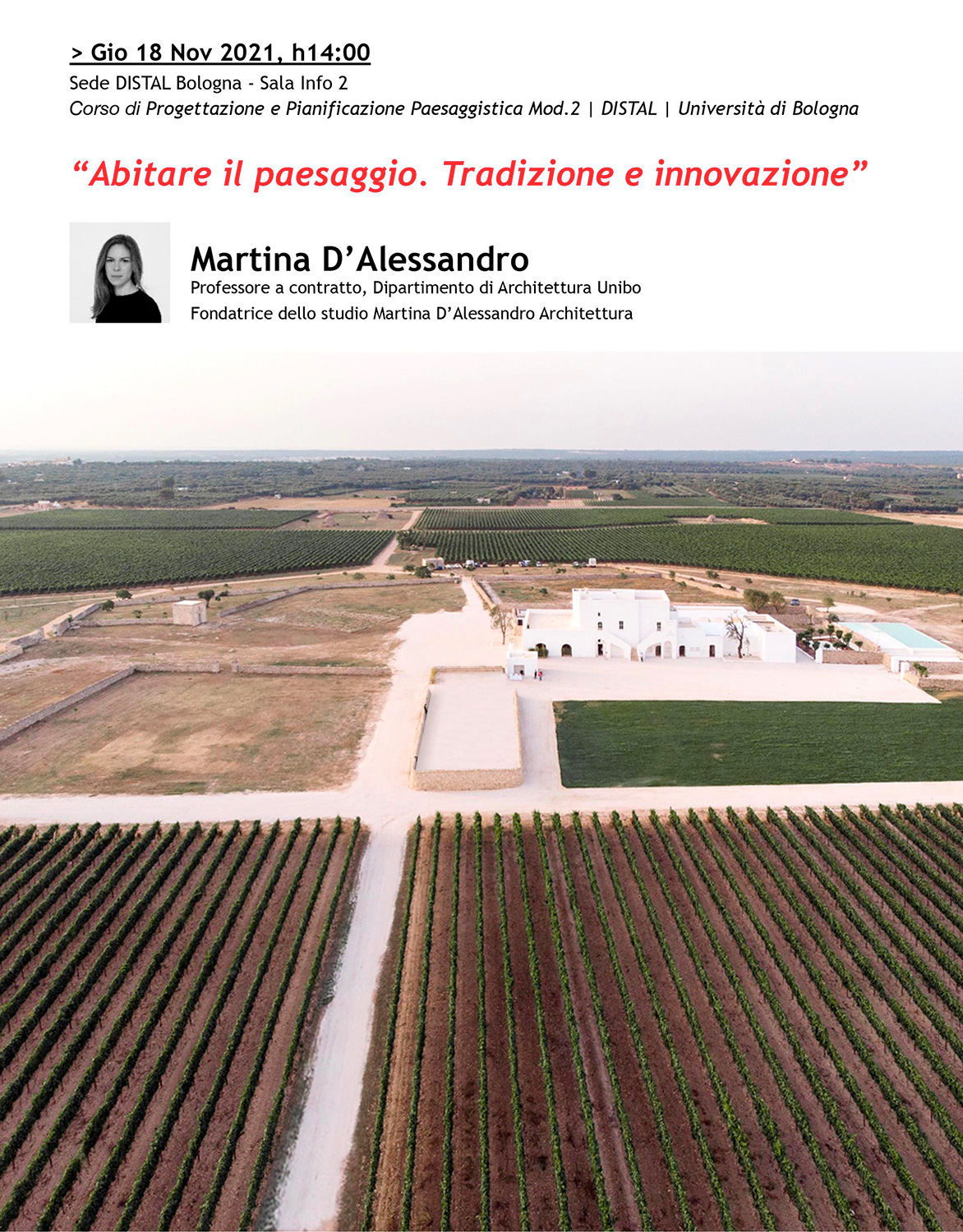
For more than fifteen years, teaching at the Department of Architecture of the University of Bologna, within the Master’s Degree programmes in Architecture in Cesena and Advanced Design in Bologna, has been an integral part of the studio’s practice.Teaching is not separate from professional practice, but provides a space for dialogue and critical exchange, helping to clarify and strengthen the ideas that underpin each project.
Working with students requires design intentions to be articulated clearly and discussed openly, creating an ongoing dialogue around the choices that shape each project and the different approaches to intervention. In this sense, teaching provides an opportunity to explore design themes through direct exchange with students.
The subjects addressed within the courses — from the transformation of the city and the adaptive reuse of existing buildings to the relationship between space and the urban context — draw both on the studio’s professional experience and on the observation of current developments in architecture and the city. This ongoing exchange makes it possible to maintain an active engagement with contemporary architectural discourse, while also bringing emerging issues in architectural practice into teaching.
Alongside work for private clients, the studio takes part in architectural competitions in Italy and abroad, which represent a sphere of project exploration characterised by more open-ended briefs and the opportunity to engage with different themes and scales.
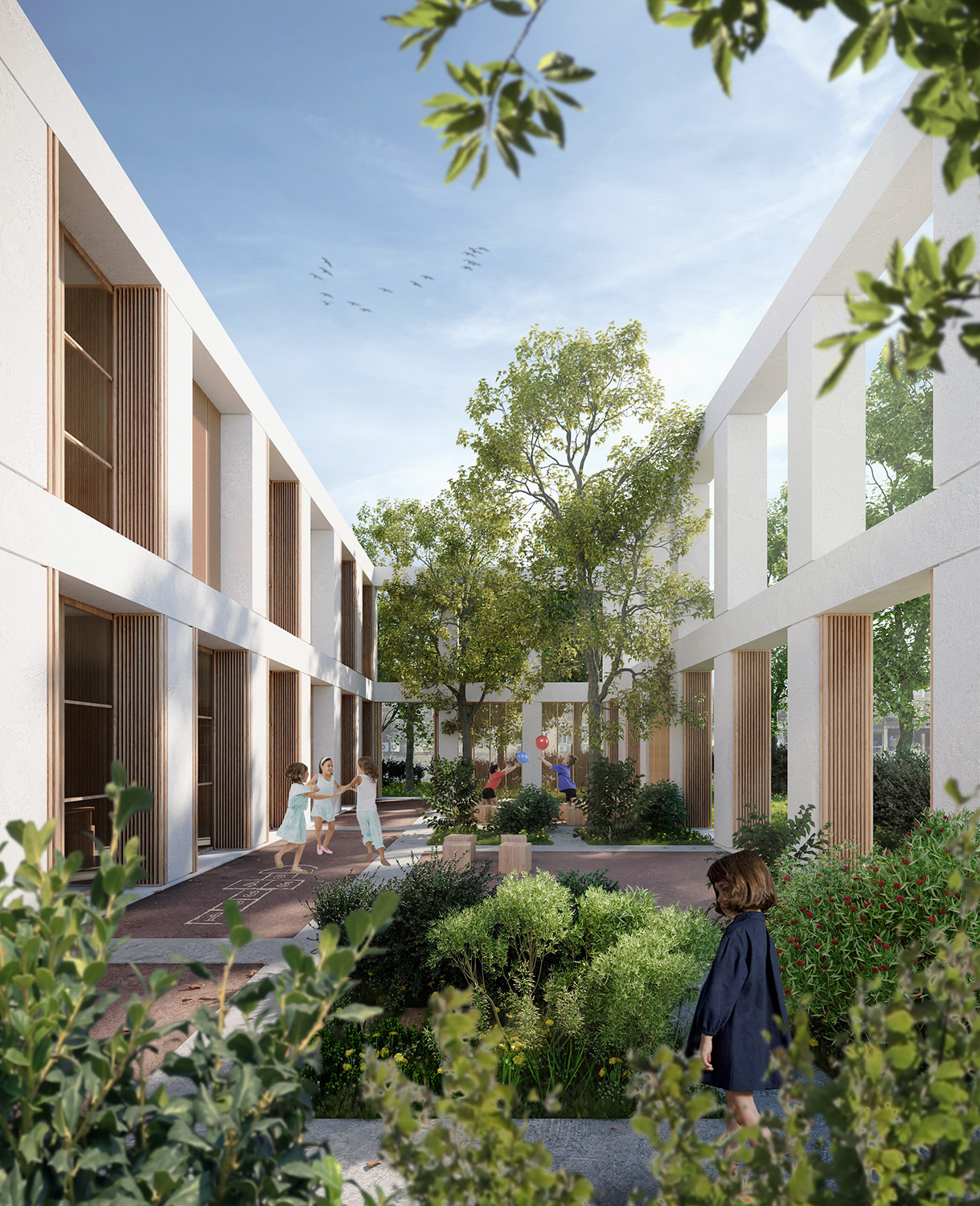
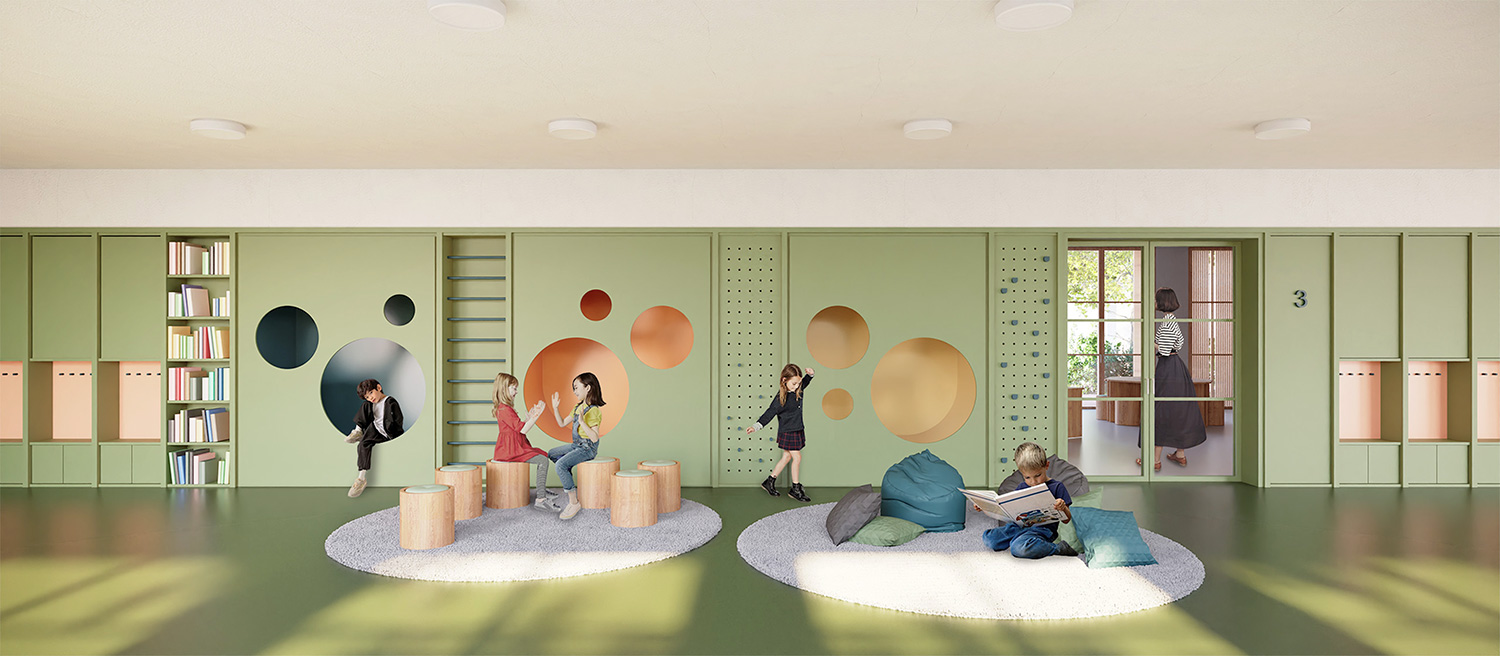
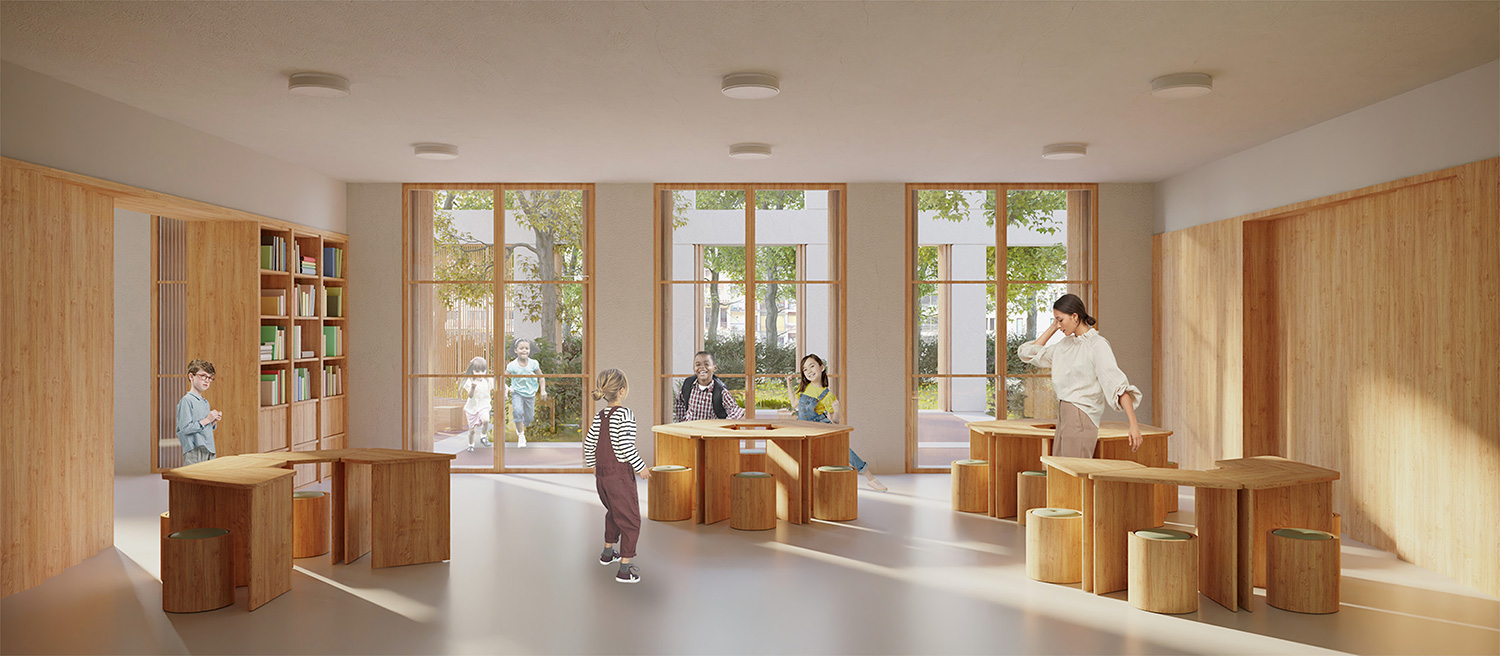
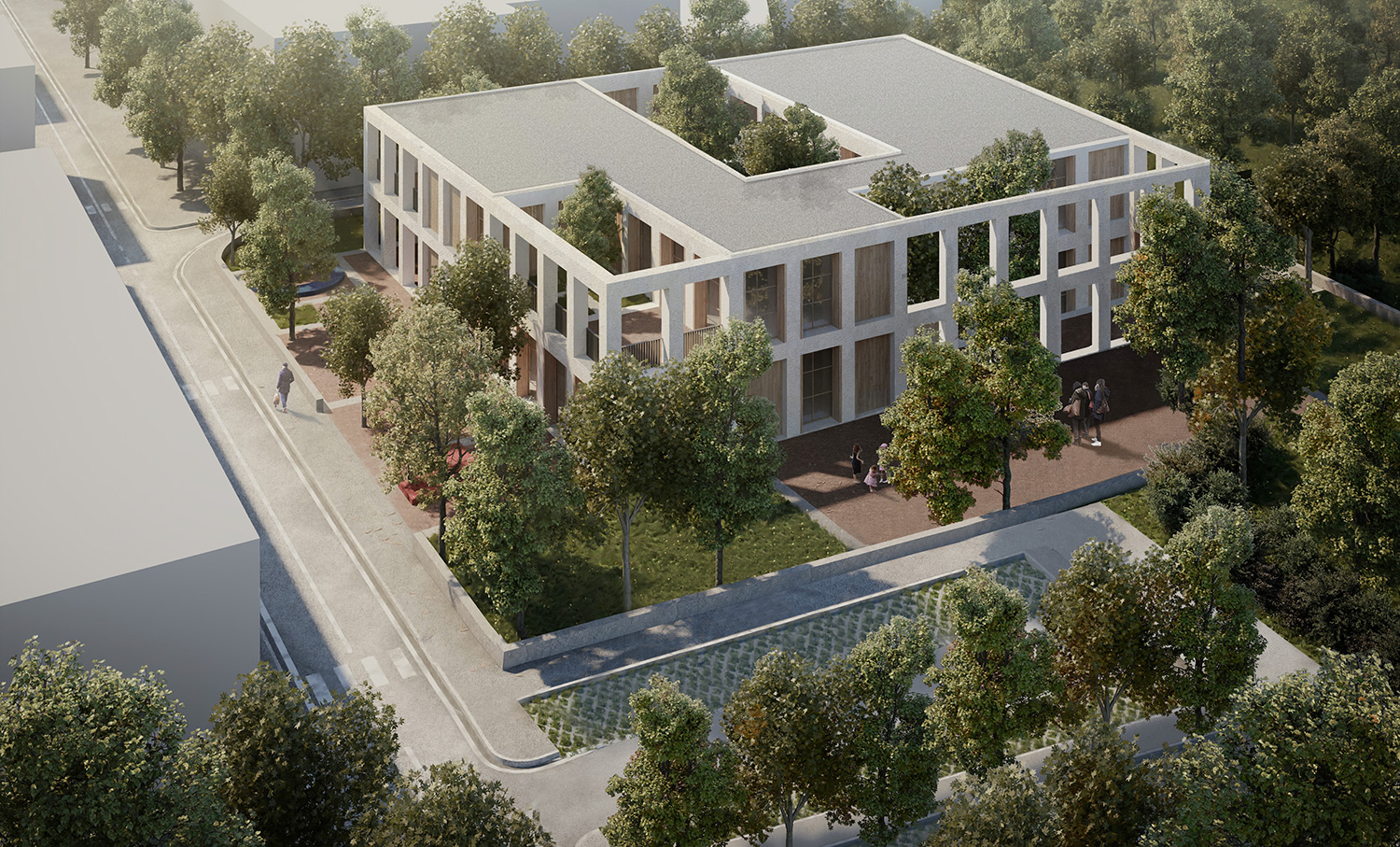
In this context, the practice is measured against public and collective programmes — in particular educational spaces and urban regeneration projects — which allow it to work on spatial and relational conditions that are larger than those found in the residential and hospitality sectors. Competitions thus become an opportunity to experiment with approaches in which the project more freely questions its assumptions and tests spatial and compositional strategies within complex scenarios.
Despite the diversity of contexts and programmes, this activity maintains a continuity with the studio’s overall work, particularly in its research into the quality of space and the relation between architecture and context, understood here not as recurrent theoretical principles but as practical project tools.
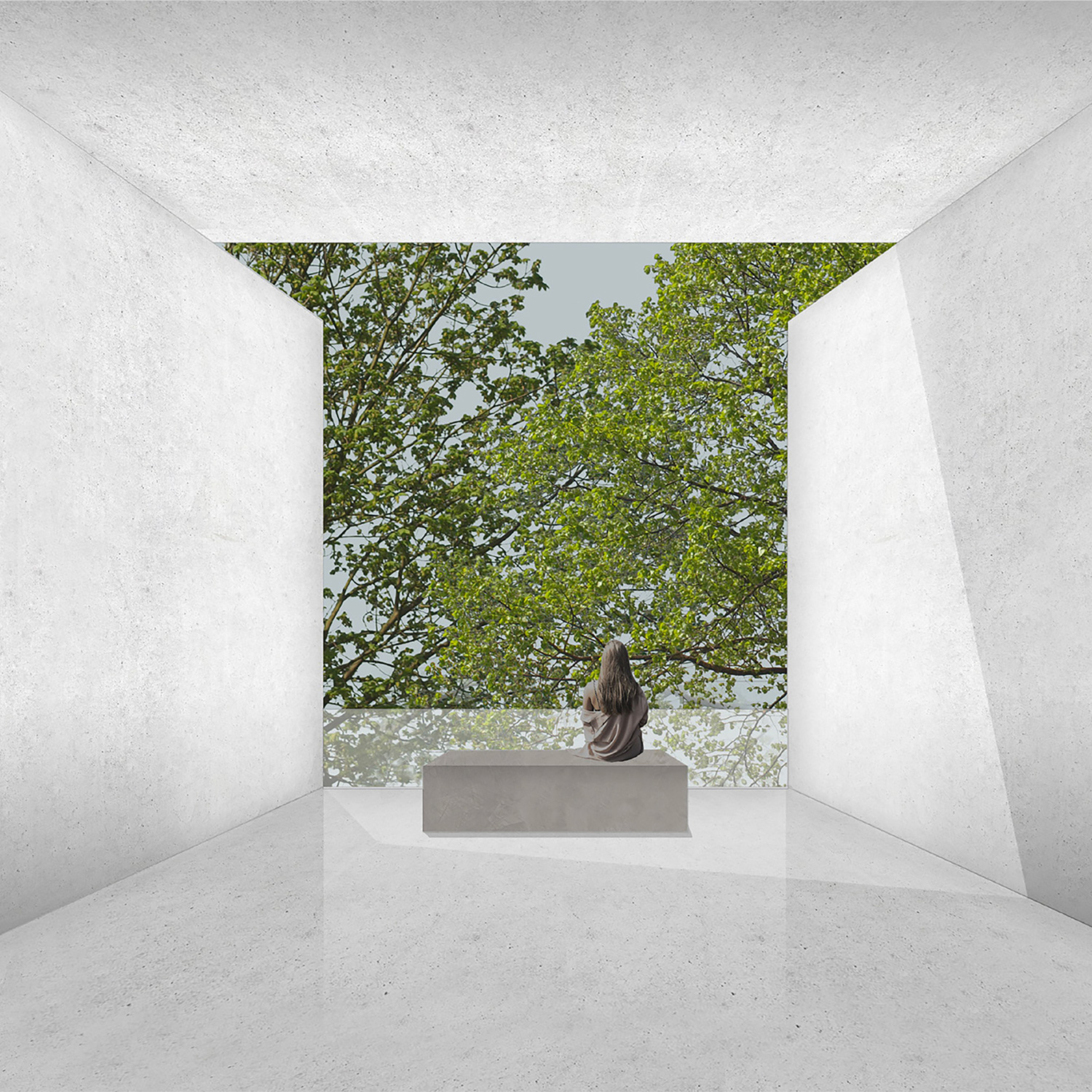
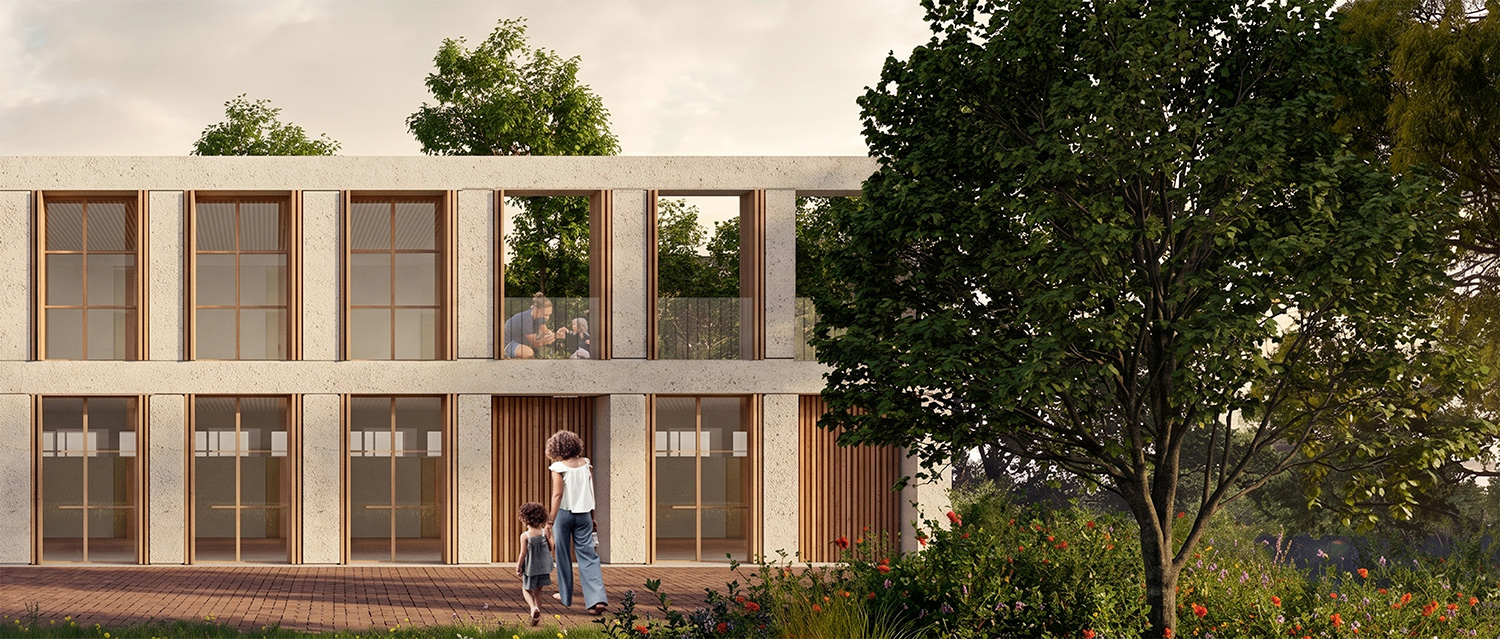
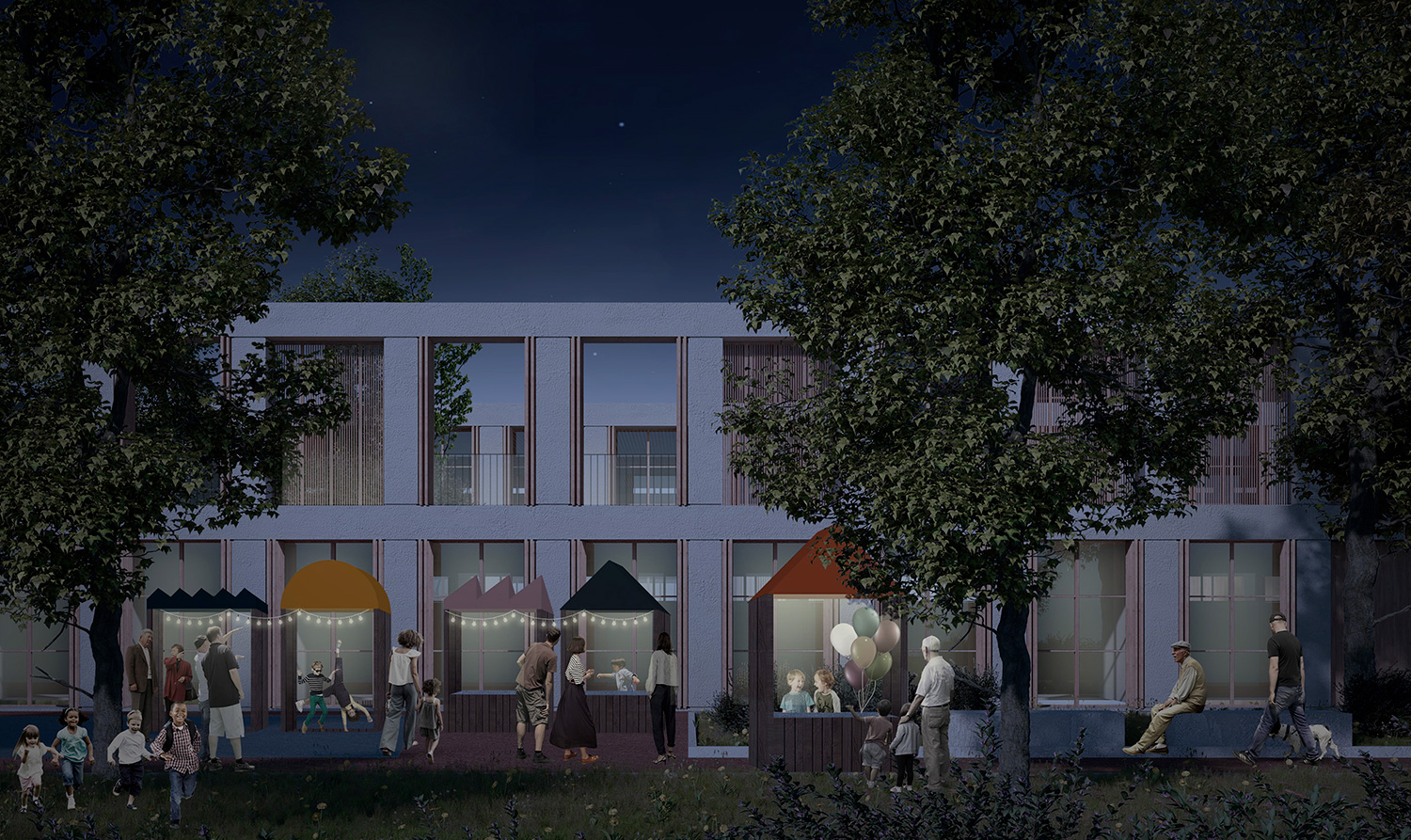
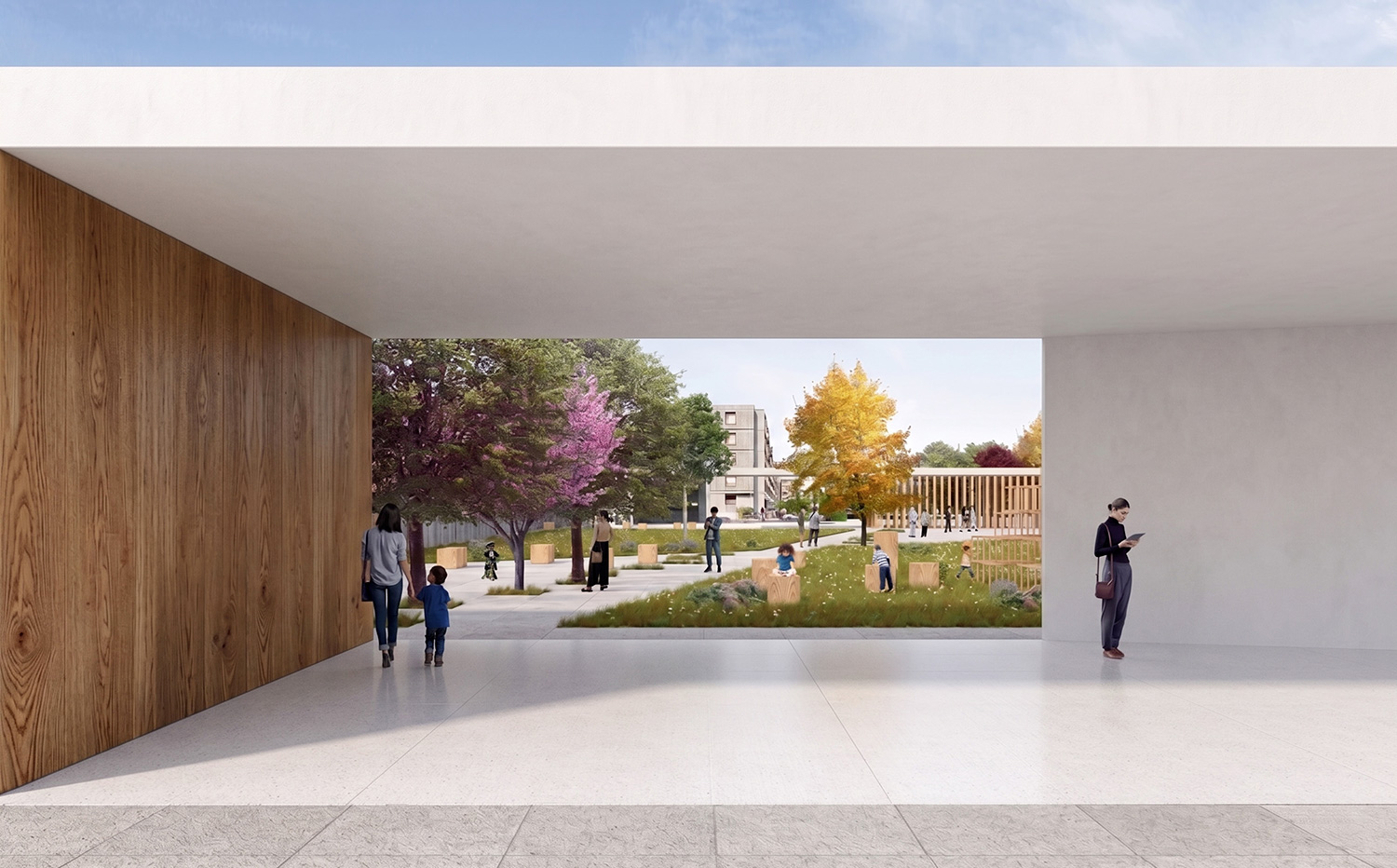
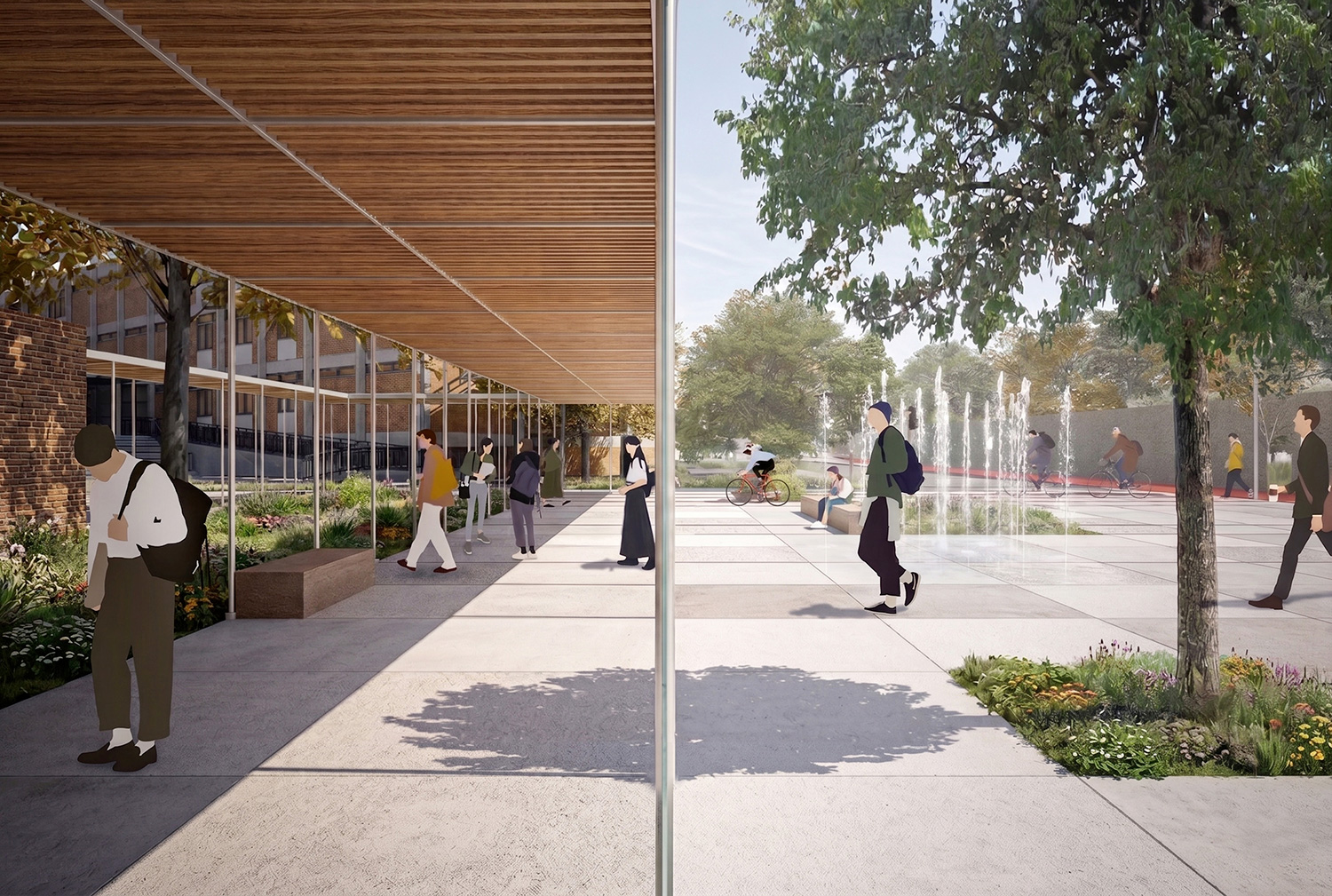
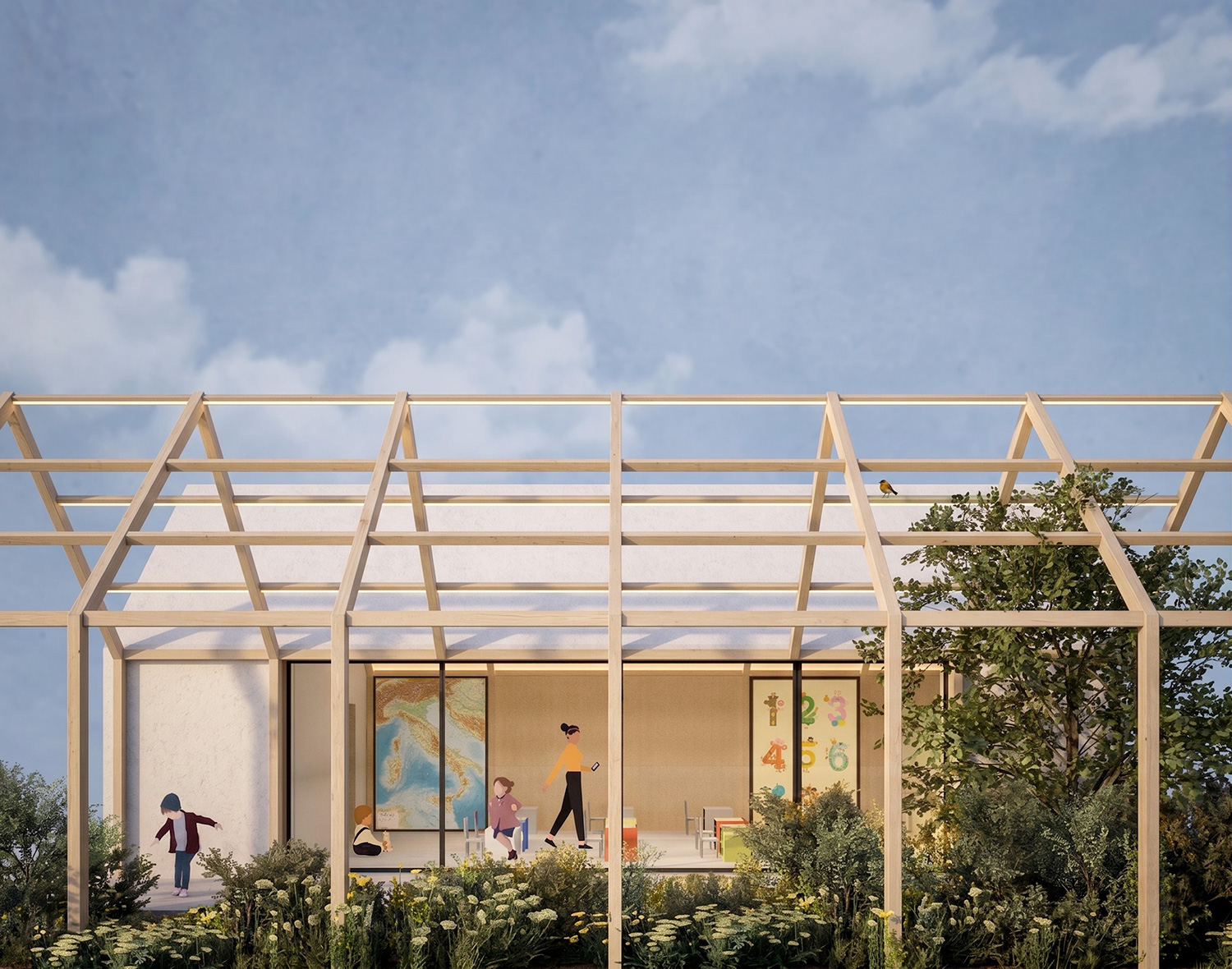
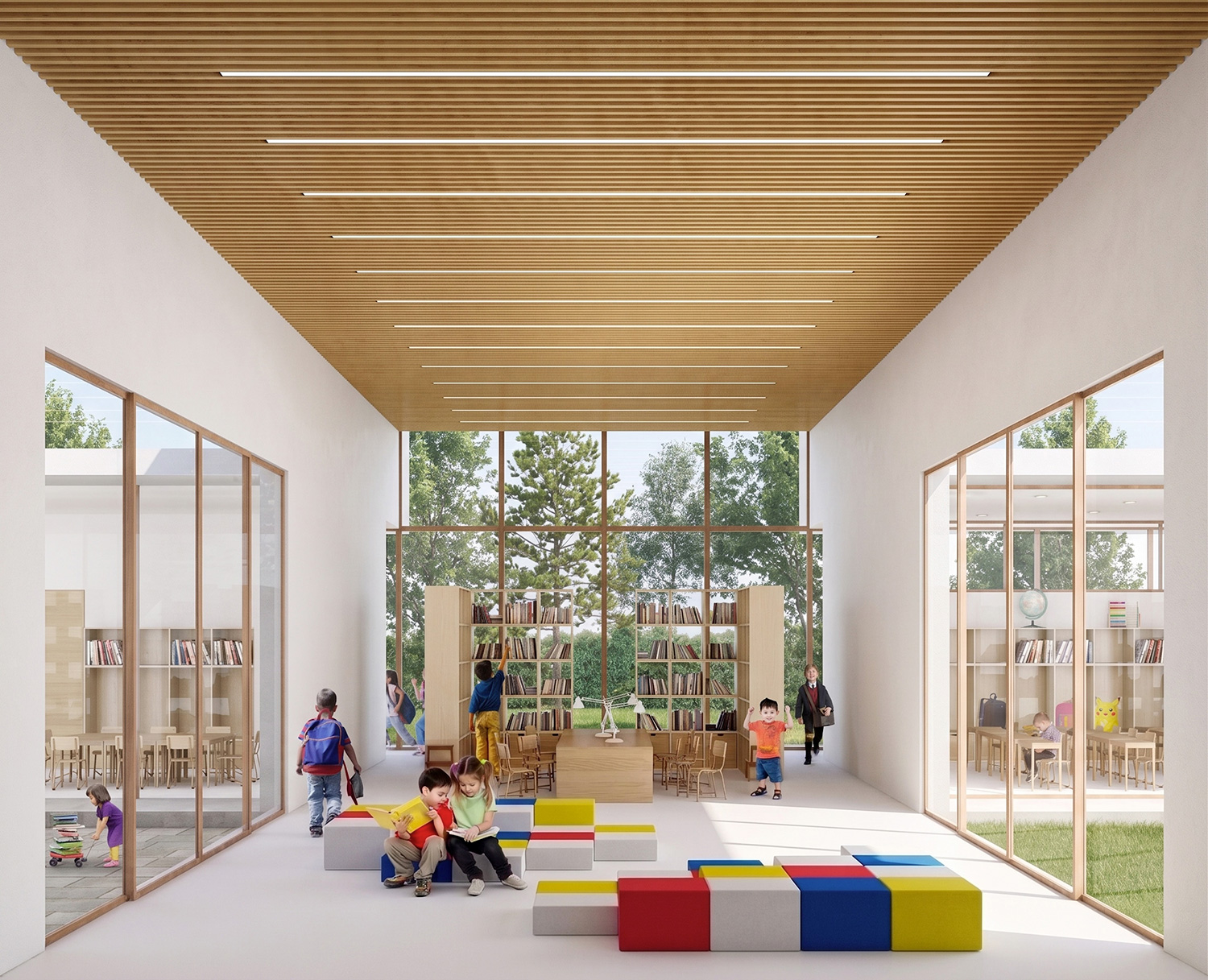
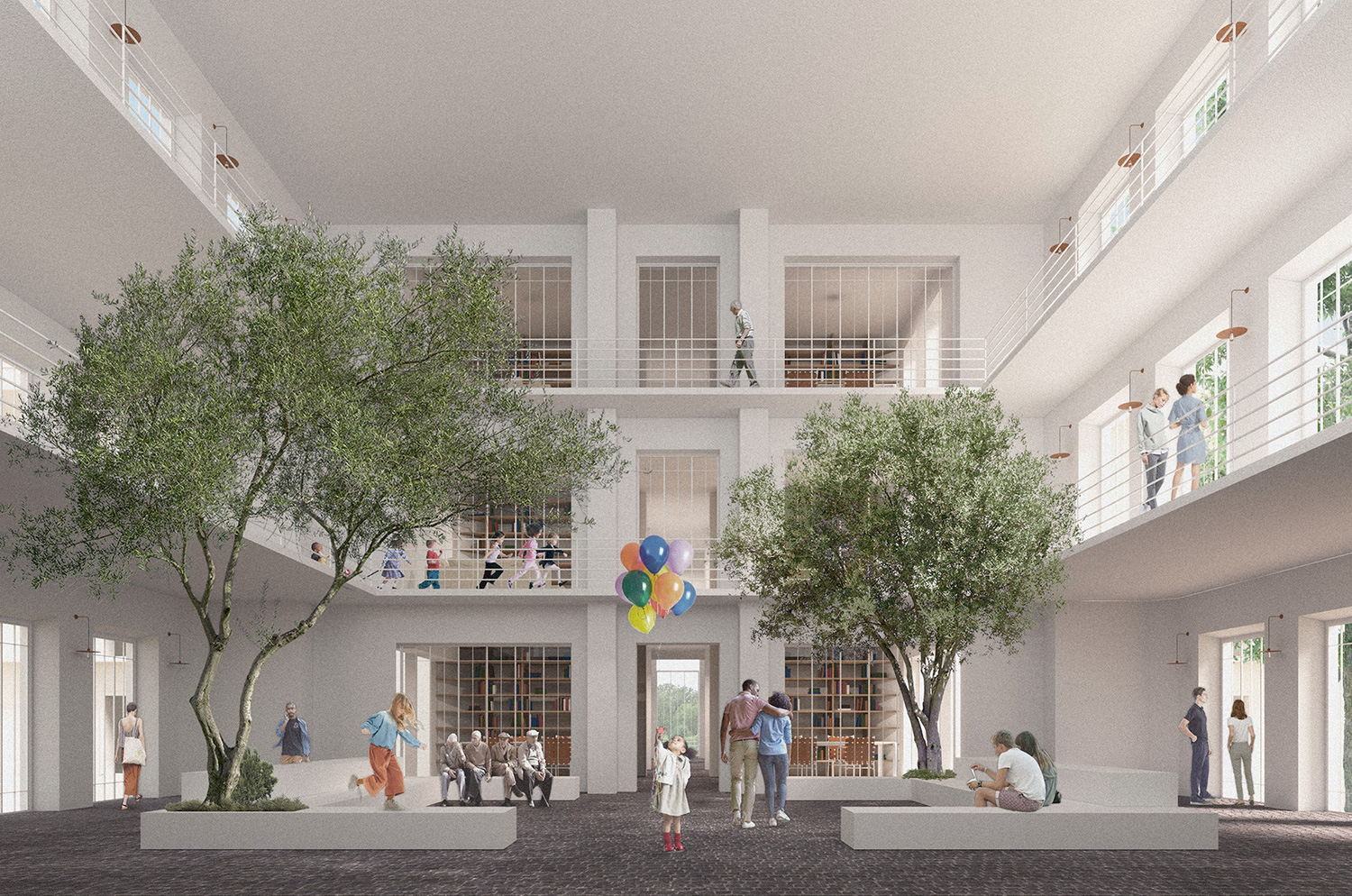
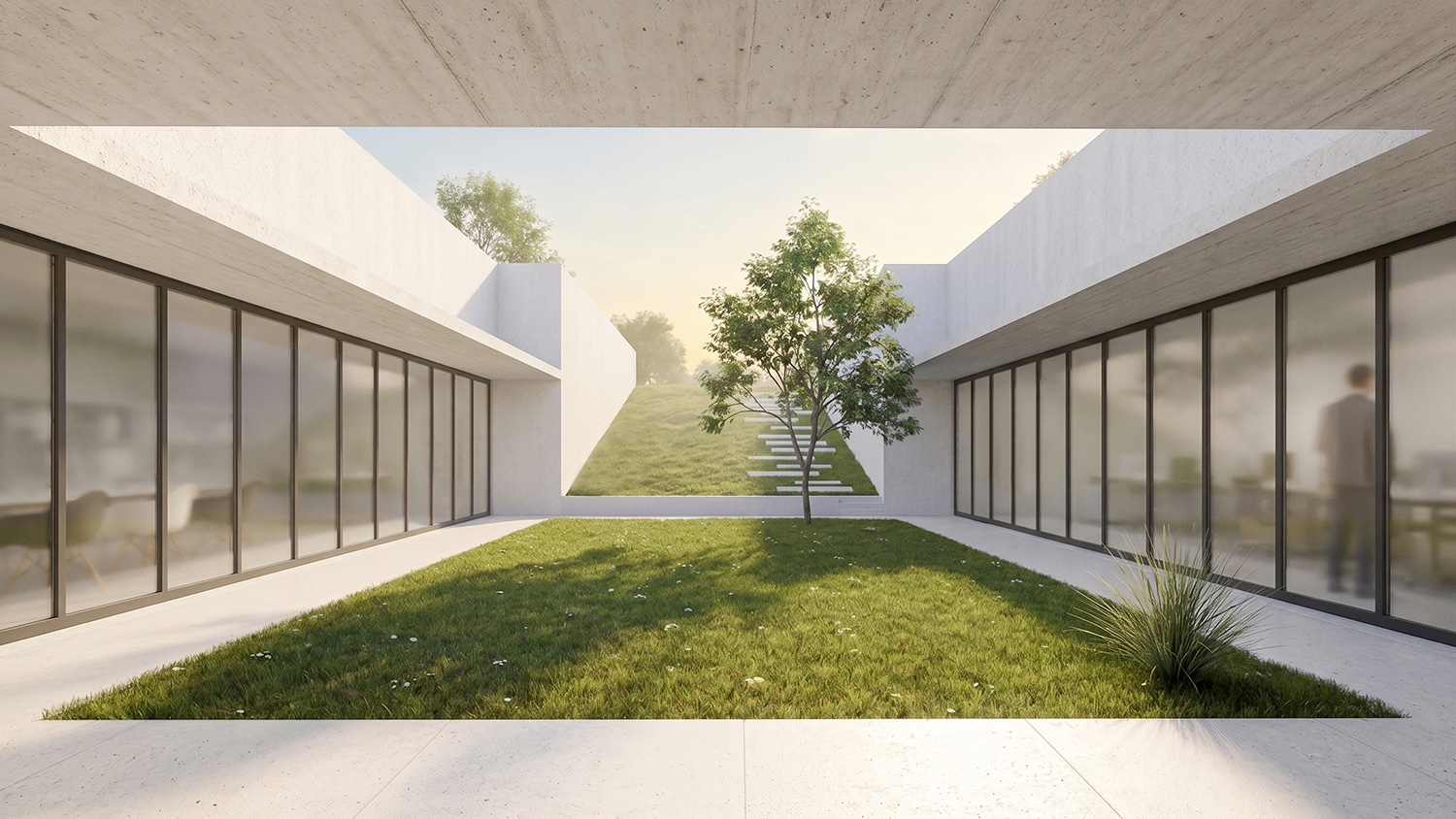
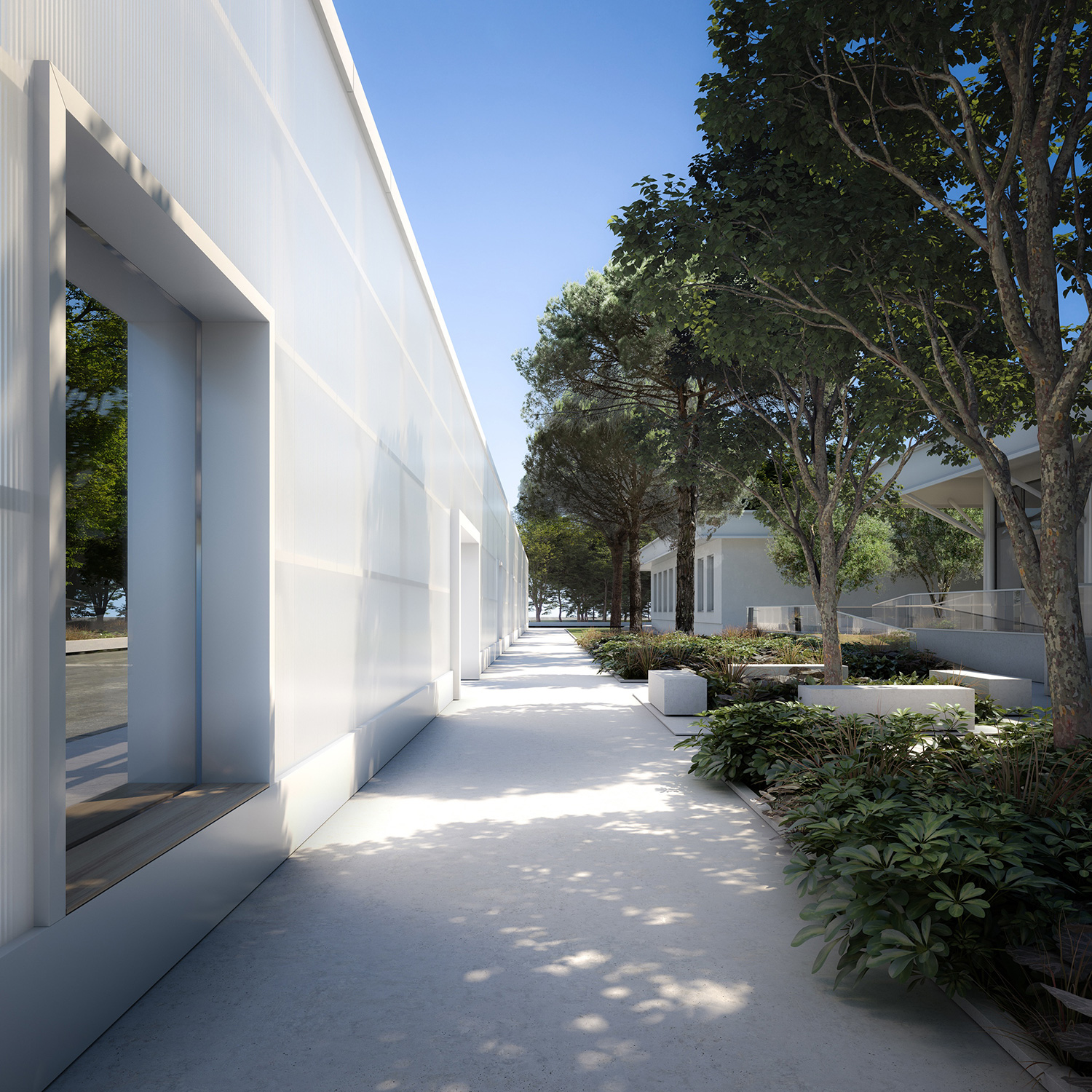
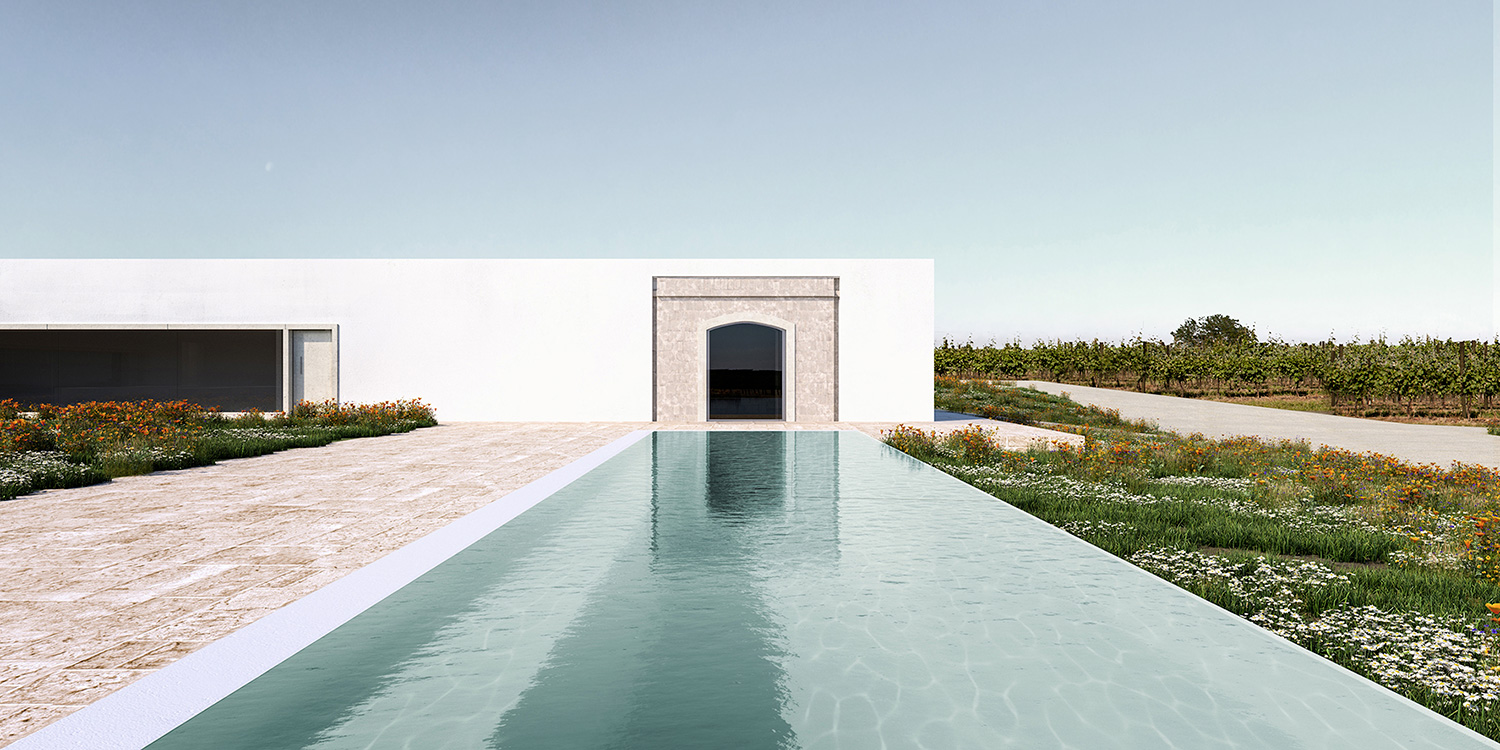
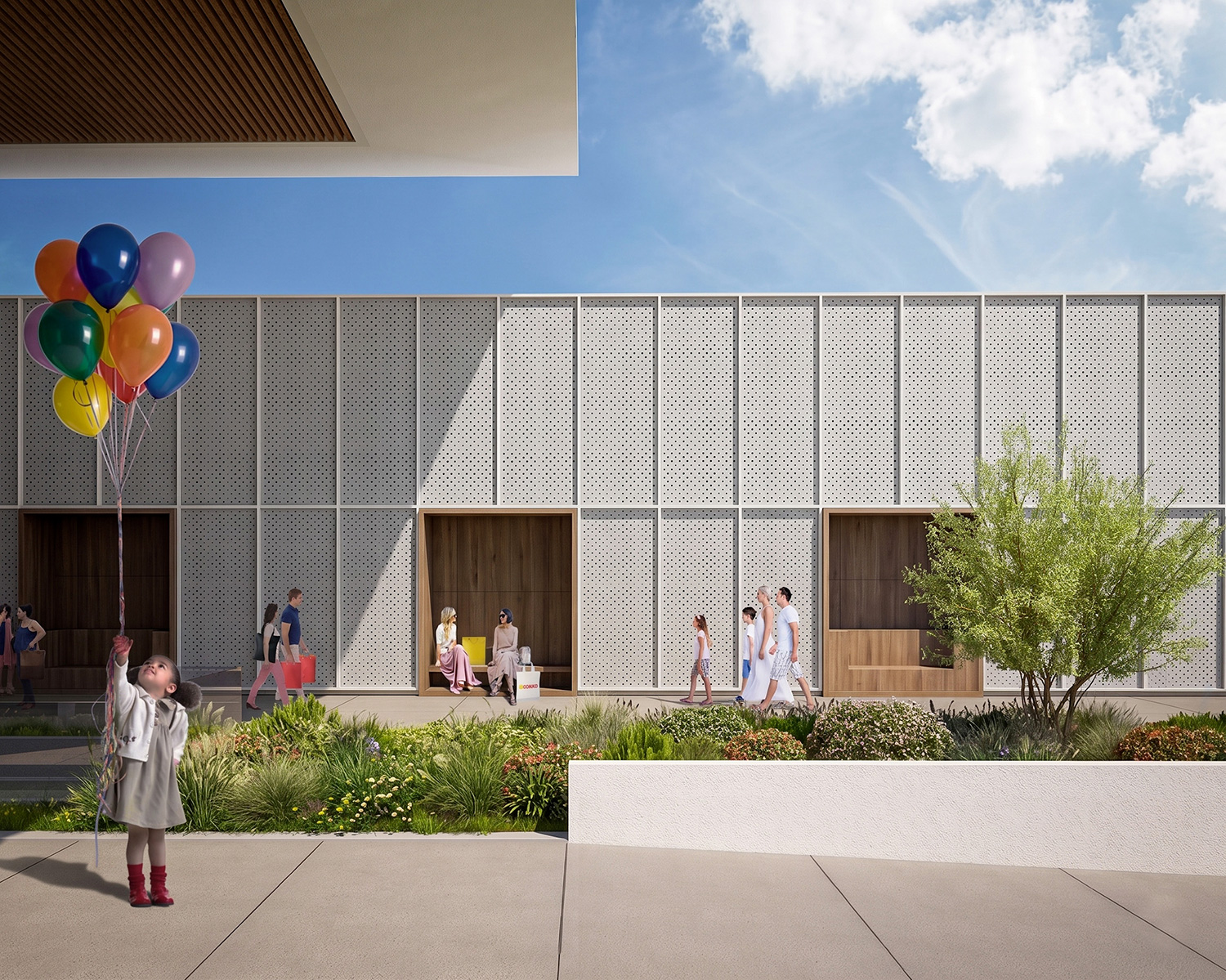
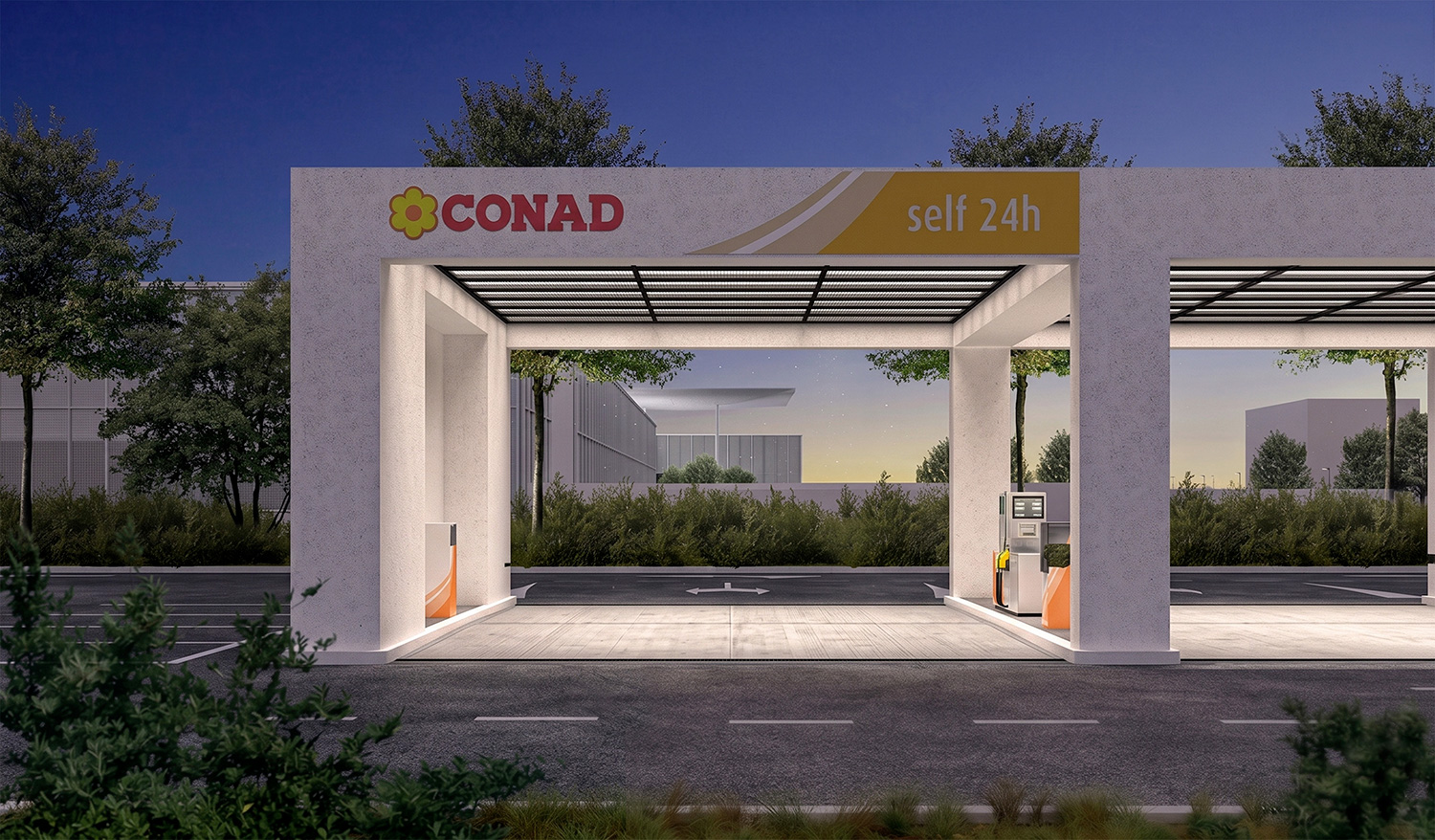
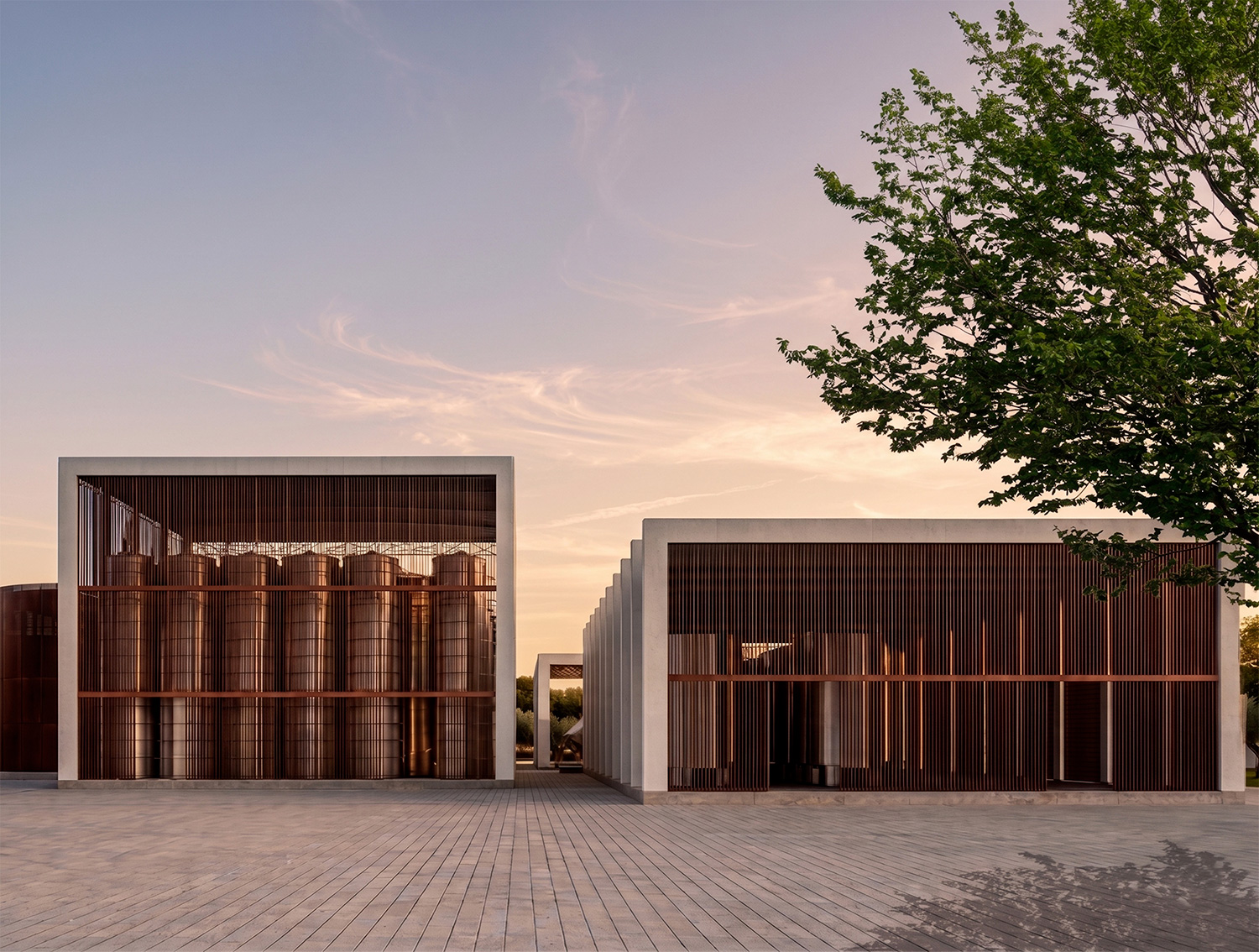
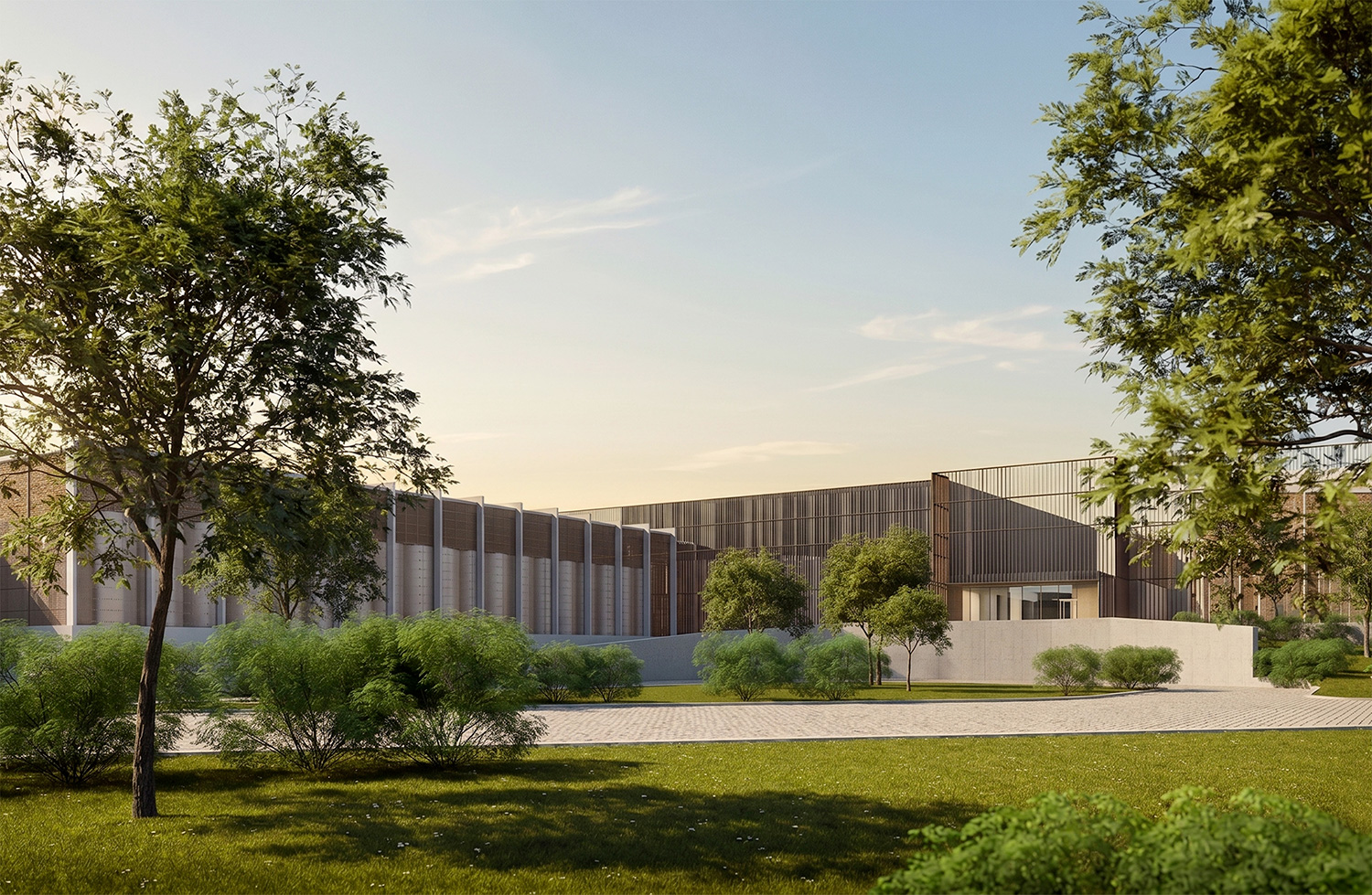
This section presents a selection of projects beyond the residential scale, including public buildings, educational spaces, and interventions on existing buildings. Although diverse in programme and context, these projects share a common approach and align with the studio’s ongoing research across different fields and scales.
Over the years, several collaborators have joined the studio and now form a cohesive and dynamic team. Each project emerges through the exchange of ideas across all members of the studio and the integration of the specialized expertise of the consultants who work alongside them.
Over time, different professionals and young architects have contributed to the studio’s work. Projects are also developed through collaboration with consultants and specialists selected according to the specific requirements of each commission.
Collaborators who have worked with the studio:
Michela Agostini
Florida Bajramaj
Federica Bondi
Cecilia Carrioli
Pamela Casali
Salvatore Casaluce
Federico Corrado
Elia Deias
Ylenia Greco
Beatrice Mazzotti
Caterina Morigi
Lorenzo Musto
Barbara Chantal Paliche
Agnese Piemonti
Simone Ruvioli
JianCheng Wang